Did you know that more than half of American households now take part in some form of gardening, and that a typical 600 square foot food garden can produce roughly 600 dollars worth of fresh produce in a single season, according to the 2024 National Gardening Survey published by the National Gardening Association? Gardening has quietly become one of the most popular hobbies in the United States, and for good reason. It saves money, it gets you outside, and it turns a patch of dirt into something you can actually eat or admire.
If you are searching for a beginner’s introduction to gardening, you are probably standing in your backyard or on your balcony wondering where to even start. This guide answers that question completely. In this guide you will learn how to choose the right spot for your garden, which tools you actually need versus what is optional, how to pick beginner friendly plants, how to water and feed your soil correctly, how to deal with pests without harsh chemicals, and how to carry your garden through every season of the year. We will also answer the twenty most common gardening questions people search for online, so you can skip the trial and error and start growing with confidence.
Table of Contents
- What Is Gardening and Why It Matters for Beginners
- Essential Gardening Tools Every Beginner Needs
- Best Plants for Beginner Gardeners
- Understanding Soil, Sunlight and Garden Location
- Watering, Fertilizing and Ongoing Plant Care
- Protecting Your Garden From Pests and Disease
- Seasonal Gardening: Planting, Harvesting and Winter Prep
- Frequently Asked Questions About Gardening
What Is Gardening and Why It Matters for Beginners
Gardening is the practice of growing and caring for plants, whether that means vegetables, flowers, herbs or shrubs, in soil or containers around your home. At its core, beginner gardening is simply learning to give plants what they need: light, water, nutrients and protection, in the right amounts.
Gardening is not just a hobby for retirees with big backyards anymore. According to gardening industry research compiled in 2025, renters now out purchase homeowners in vegetable seed and herb seed, which shows that small space and container gardening is one of the fastest growing categories in the country. Millennials alone now represent nearly a third of all gardeners in the United States, and 70 percent of millennials describe themselves as plant parents.
Why People Start Gardening
People take up gardening for very different reasons, and knowing your own reason will help you design a garden that actually fits your life.
Three motivations show up again and again in national surveys. About 63 percent of gardeners say they garden because they enjoy being outside, 58 percent say they simply like growing things, and 53 percent say they love having homegrown fruits and vegetables on hand. If your main goal is fresh food, you will lean toward a vegetable garden. If your goal is relaxation, a flower bed or herb garden might suit you better.
The Physical and Mental Health Case for Gardening
Gardening is genuine exercise, not just a leisurely stroll around the yard. Digging soil can burn around 300 calories an hour, and lighter tasks like weeding still burn 200 to 400 calories an hour, which puts gardening in the same intensity range as cycling or a brisk walk. A widely cited Harvard Medical School analysis found that 30 minutes of gardening burns a comparable number of calories to badminton or volleyball played at a casual pace.
The mental health benefits are just as well documented. Research published through the National Institutes of Health has linked regular horticultural activity to measurable improvements in mood, anxiety and life satisfaction, and a 2024 study of older adults found that access to green space was strongly associated with better general health and lower psychological distress, even after accounting for age, income and physical activity levels. In short, gardening is one of the few hobbies that pays you back in food, fitness and calmer nerves at the same time.
Gardening as a Money Saving Habit
A well managed food garden delivers a real return on investment. According to National Gardening Association data, the average household spends about 70 dollars maintaining a food garden and harvests roughly 600 dollars worth of produce, which works out to a return of more than 750 percent after the first year’s setup costs. Even a modest 100 to 200 square foot vegetable plot can supply a significant amount of produce for one person across an entire growing season.
Essential Gardening Tools Every Beginner Needs
You do not need a shed full of expensive equipment to start gardening. A small, well chosen tool kit will handle almost every task a beginner faces during the first two or three growing seasons.
The Must Have Starter Tool Kit
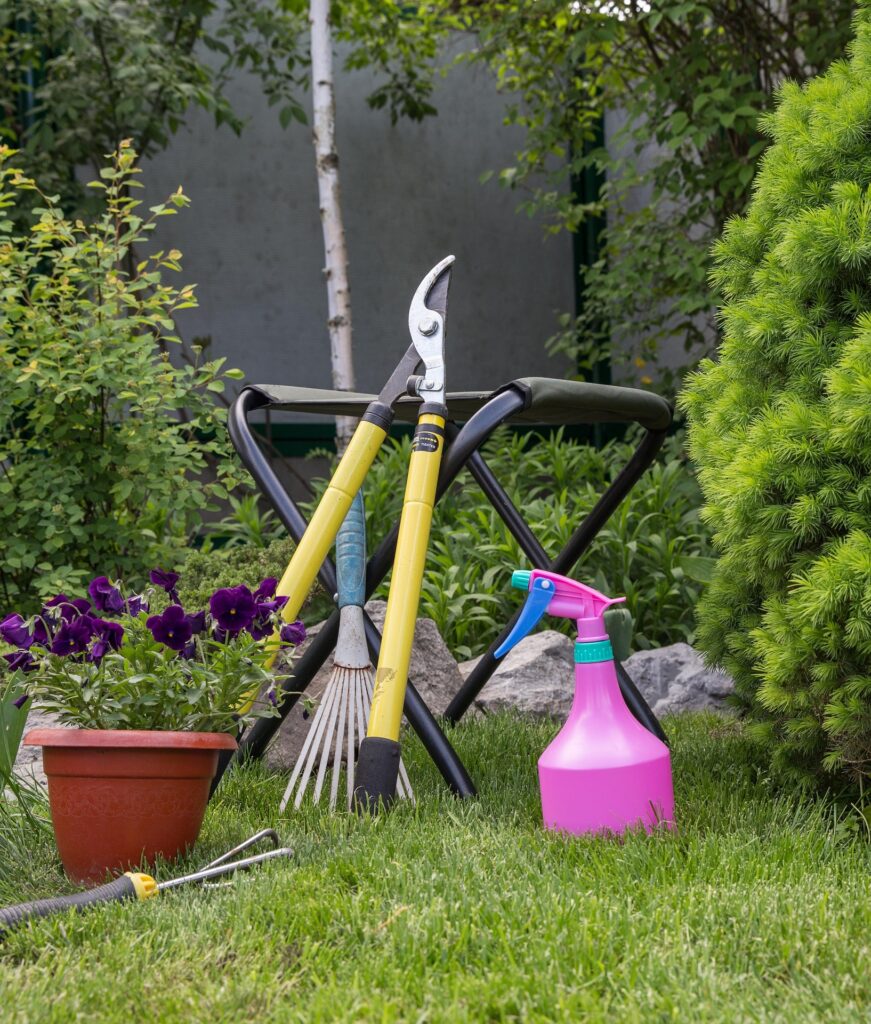
These are the tools that earn their place in every beginner’s shed, regardless of whether you are growing vegetables, flowers or herbs.
A hand trowel is the single most used gardening tool for planting seedlings, transplanting and digging small holes. A pair of pruning shears, sometimes called secateurs, lets you trim dead growth and harvest herbs and vegetables cleanly. A garden fork loosens compacted soil and works compost into the ground far more effectively than a shovel alone. A watering can with a detachable rose head gives you gentle, even coverage for seedlings that would otherwise be damaged by a hard blast from a hose. A pair of gardening gloves protects your hands from thorns, splinters and soil borne bacteria. Finally, a soil pH testing kit takes the guesswork out of amending your soil correctly.
Nice to Have Tools for Growing Gardeners
Once you have your first season under your belt, a few additional tools make gardening noticeably easier and open the door to more ambitious projects.
A wheelbarrow or garden cart saves your back when moving soil, mulch or plant containers. A hoe speeds up weeding across larger beds. A rain gauge tells you exactly how much natural rainfall your garden received, so you never over or under water. A kneeling pad or garden stool protects your knees during long planting sessions. Drip irrigation tubing or a soaker hose automates watering for anyone growing more than a few containers.
Comparison Table: Must Have vs Nice to Have Gardening Tools
| Tool | Category | Average Cost (USD) | Primary Use |
|---|---|---|---|
| Hand trowel | Must have | 8 to 15 | Digging, planting, transplanting |
| Pruning shears | Must have | 12 to 25 | Trimming, deadheading, harvesting |
| Garden fork | Must have | 20 to 35 | Loosening soil, mixing compost |
| Watering can with rose head | Must have | 15 to 30 | Gentle watering for seedlings |
| Gardening gloves | Must have | 8 to 20 | Hand protection |
| Soil pH test kit | Must have | 10 to 25 | Testing soil acidity and nutrients |
| Wheelbarrow or garden cart | Nice to have | 50 to 150 | Hauling soil, mulch and plants |
| Hoe | Nice to have | 15 to 30 | Weeding larger beds |
| Rain gauge | Nice to have | 5 to 15 | Tracking natural rainfall |
| Drip irrigation kit | Nice to have | 30 to 80 | Automated watering |
Tool Maintenance That Extends Their Life
Clean tools last years longer than neglected ones, and clean blades reduce the spread of plant disease between beds. Wipe soil off metal parts after every use, dry them completely before storage, and apply a light coat of oil to pruning shears and trowels once a month during the growing season to prevent rust.
Best Plants for Beginner Gardeners
The fastest way to lose confidence as a new gardener is to start with a plant that demands expert level attention. The fastest way to build confidence is to start with plants that forgive small mistakes.
Easiest Vegetables for a First Vegetable Garden
Certain vegetables are almost impossible to fail with, provided they get sunlight and consistent water. Tomatoes remain the single most popular vegetable grown in American home gardens, appearing in about 86 percent of all food gardens nationwide. Beyond tomatoes, beginners consistently succeed with zucchini, green beans, radishes, lettuce and peppers, because these plants tolerate minor watering inconsistencies and typical beginner pruning mistakes.
Low Maintenance Herbs Worth Growing First
Herbs offer an enormous return for very little space and effort, which makes them a smart entry point into edible gardening. Basil, mint, chives, parsley and rosemary all grow well in containers on a sunny windowsill or patio, need minimal fertilizing, and reward you with fresh flavor within just a few weeks of planting.
Beginner Friendly Flowers for Color and Confidence
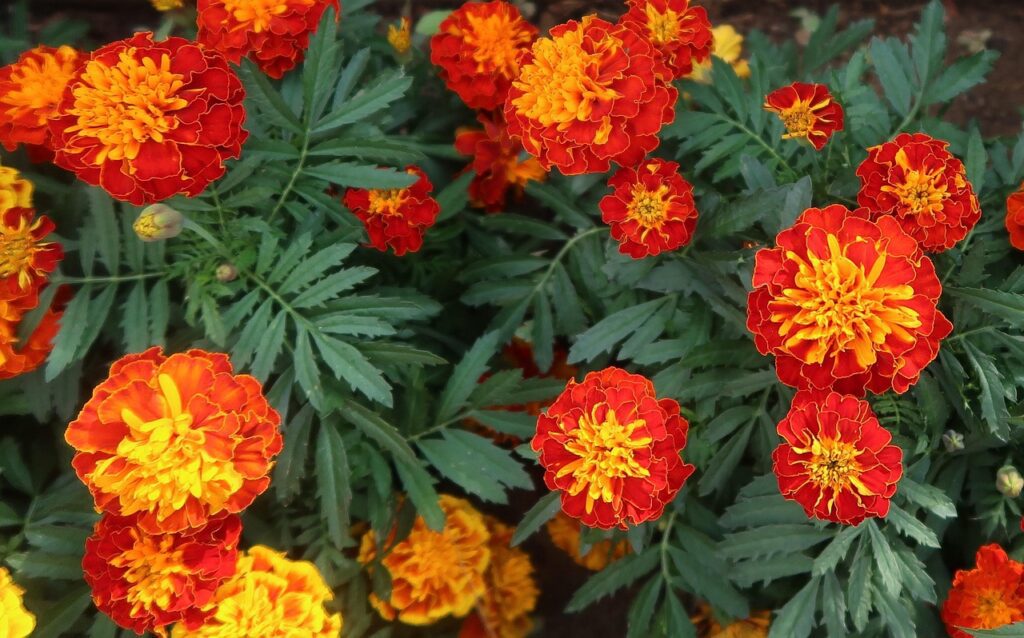
If your goal is a beautiful yard rather than a dinner plate, a handful of flowering plants are practically designed for new gardeners. Marigolds, zinnias, sunflowers and petunias bloom reliably, tolerate average soil, and even help repel certain garden pests, which makes them useful as well as attractive.
Comparison Table: Best Beginner Plants by Sunlight and Water Needs
| Plant | Sunlight Needed | Watering Frequency | Difficulty Level |
|---|---|---|---|
| Tomatoes | Full sun, 6 to 8 hours | 2 to 3 times per week | Easy |
| Zucchini | Full sun, 6 to 8 hours | 2 times per week | Easy |
| Green beans | Full sun, 6 hours | 2 times per week | Very easy |
| Lettuce | Partial sun, 4 to 6 hours | Daily light watering | Very easy |
| Radishes | Full sun, 6 hours | 2 to 3 times per week | Very easy |
| Basil | Full sun to partial shade | 2 to 3 times per week | Very easy |
| Mint | Partial shade | 2 to 3 times per week | Very easy |
| Marigolds | Full sun | 2 times per week | Very easy |
| Zinnias | Full sun | 2 times per week | Easy |
| Sunflowers | Full sun, 6 to 8 hours | 1 to 2 times per week | Easy |
Starting From Seed vs Buying Transplants
New gardeners often assume seeds are the cheaper and more rewarding route, and that is only sometimes true. Seeds cost less and offer far more variety, but they demand indoor starting time, consistent moisture and patience, since many vegetables need four to eight weeks of indoor growth before they can safely move outdoors. Transplants, sometimes called starts or seedlings, cost more per plant but give you a several week head start and a much higher success rate for your very first season. A practical middle ground many experienced gardeners recommend is to buy transplants for slow growing or finicky crops like tomatoes and peppers, and direct sow fast growing, forgiving crops like beans, radishes and lettuce straight into the ground.
Understanding Soil, Sunlight and Garden Location
Choosing the right location for your garden is the single decision that determines more of your success or failure than any other single factor, including which plants you choose.
How Much Sunlight Your Garden Actually Needs
Most vegetables and flowering plants need what gardeners call full sun, meaning at least six hours of direct, unobstructed sunlight every day. Leafy greens like lettuce and spinach can tolerate partial shade with four to six hours, but fruiting plants such as tomatoes, peppers and squash will produce far less if they receive less than six hours. Before planting anything, spend one full day observing your yard or balcony every hour or two and note exactly where the sun falls and for how long.
Reading and Improving Your Soil
Healthy soil is the foundation every plant depends on, and most beginner gardening failures trace back to soil that is too compacted, too acidic, too alkaline, or lacking in organic matter. A simple home soil pH test kit, available for under 25 dollars, will tell you whether your soil sits in the ideal range of 6.0 to 7.0 pH, which suits the vast majority of vegetables and flowers. Soil that is too acidic can be corrected with garden lime, while soil that is too alkaline benefits from sulfur or organic compost. Regardless of your starting pH, working two to three inches of compost into the top layer of soil before planting will dramatically improve drainage, nutrient content and root development.
Choosing Between In Ground Beds, Raised Beds and Containers
The right growing method depends on your space, your soil quality and how much control you want over growing conditions.
In ground beds cost the least to start and work well if your existing soil already drains reasonably well. Raised beds, which are simply framed boxes filled with a soil and compost blend, solve poor native soil, improve drainage, and reduce back strain, which is why raised bed gardening has become one of the fastest growing categories in home gardening according to recent market research. Container gardening is the best option for renters, apartment dwellers or anyone with a small patio, since pots can be moved to chase sunlight and are far easier to protect from frost.
Comparison Table: In Ground vs Raised Bed vs Container Gardening
| Method | Startup Cost | Best For | Drainage Control | Mobility |
|---|---|---|---|---|
| In ground bed | Low | Large yards with decent native soil | Depends on native soil | None |
| Raised bed | Medium to high | Poor native soil, back pain concerns | Excellent | None, but soil is replaceable |
| Container garden | Low to medium | Renters, patios, balconies | Excellent | Fully mobile |
Watering, Fertilizing and Ongoing Plant Care
Consistent watering and feeding routines matter more to plant health than almost any other single habit, and getting this wrong is the number one reason beginner gardens struggle.
How Often to Water Different Types of Plants
Most vegetable gardens need about one to one and a half inches of water per week, whether that comes from rainfall or manual watering, and this is best delivered in two or three deep sessions rather than a light sprinkle every day. Shallow, frequent watering trains roots to stay near the surface, which makes plants more vulnerable to heat and drought stress. Container plants dry out significantly faster than in ground plants because their soil volume is smaller and exposed to air on all sides, so pots often need watering every day or every other day during hot summer weeks.
The best test for whether a plant needs water is not a calendar, it is your finger. Push your finger about two inches into the soil. If it feels dry at that depth, water. If it still feels moist, wait another day.
Fertilizing Your Garden Without Overdoing It
Fertilizer feeds your plants the nutrients that natural soil eventually depletes, primarily nitrogen, phosphorus and potassium, often labeled as the N P K ratio on packaging. For most beginner vegetable gardens, a balanced, slow release granular fertilizer applied at planting time, followed by a liquid feed every two to four weeks during the growing season, covers the vast majority of nutrient needs. Organic options like compost, worm castings and fish emulsion are gentler and lower risk for beginners, since it is far harder to accidentally burn plant roots with organic matter than with concentrated synthetic fertilizer. Notably, younger gardeners are already leaning this direction nationally, since 38 percent of under 35 gardeners now buy natural or organic fertilizer compared to just 14 percent of gardeners over 65.
Mulching to Reduce Water Loss and Weeds
A two to three inch layer of mulch, whether straw, shredded bark or dried leaves, dramatically cuts down how often you need to water by slowing evaporation from the soil surface. Mulch also suppresses weed germination and, as it breaks down, slowly adds organic matter back into your soil.
Pruning and Deadheading for Continued Growth
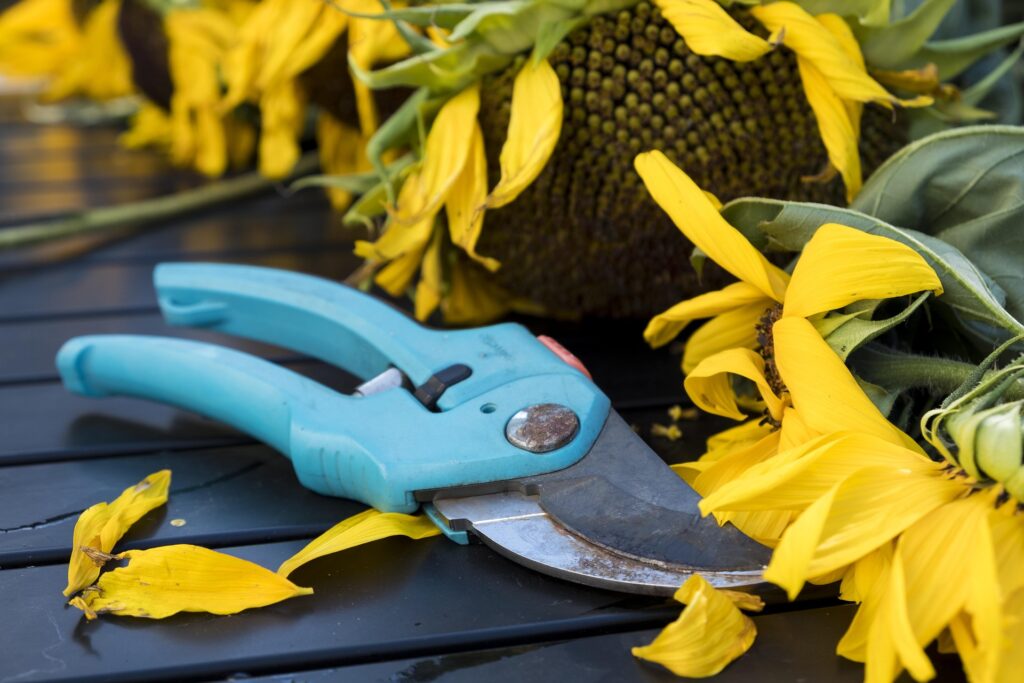
Removing spent flowers, called deadheading, encourages many flowering plants to keep producing new blooms rather than putting energy into seed production. For vegetables like tomatoes, pruning off the small side shoots that grow between the main stem and branches, known as suckers, redirects the plant’s energy into fruit production rather than excess foliage.
Protecting Your Garden From Pests and Disease
Pest and disease pressure is inevitable in any garden, but most problems are manageable without resorting to harsh chemical treatments if you catch them early.
Identifying Common Garden Pests
Aphids, small soft bodied insects that cluster on new growth, are among the most common pests beginners encounter, and they are usually visible to the naked eye on the underside of leaves. Slugs and snails leave telltale ragged holes in leaves and a silvery slime trail, typically appearing at night or after rain. Tomato hornworms, large green caterpillars that can strip a tomato plant of leaves within days, are easy to spot once you know to check the stems closely.
Organic and Low Impact Pest Control Methods
A strong blast of water from a hose knocks aphids off plants without any chemical intervention at all. Insecticidal soap, which is widely available and safe for organic gardens, breaks down the outer coating of soft bodied insects like aphids and mites on contact. Diatomaceous earth, a natural powder made from fossilized algae, creates a barrier that deters crawling insects like slugs and beetles. Companion planting, such as growing marigolds near vegetables, can also reduce certain pest populations, since marigolds release a scent that many insects avoid.
When to Consider Chemical Treatments
Reach for a targeted chemical pesticide only after organic methods have failed and only when an infestation genuinely threatens to destroy a crop. Always choose the most narrowly targeted product available, read the label completely, and apply it in the early morning or evening when pollinators like bees are least active, since broad spectrum pesticides can harm beneficial insects along with the pests you are targeting.
Preventing Fungal Disease Before It Starts
Most fungal diseases, including powdery mildew and blight, thrive in damp, poorly ventilated conditions. Space your plants according to their mature size rather than crowding them in when they are small seedlings, water at the base of the plant rather than overhead, and water in the morning so leaves dry quickly rather than staying wet overnight.
Seasonal Gardening: Planting, Harvesting and Winter Prep
Gardening success depends heavily on timing, and matching your planting schedule to your local climate zone prevents the vast majority of beginner disappointments.
Understanding Your USDA Hardiness Zone
The United States Department of Agriculture divides the country into hardiness zones based on average minimum winter temperatures, and knowing your zone tells you your safe planting windows, your expected first and last frost dates, and which perennial plants will survive winter in your area. You can look up your exact zone using the official USDA Plant Hardiness Zone Map, and most seed packets list the zones a plant is suited for directly on the back.
Spring Planting Priorities
Spring is when most vegetable gardens begin, but timing depends entirely on your last frost date. Cold hardy crops like lettuce, peas and spinach can go into the ground two to four weeks before your last frost date, while heat loving plants like tomatoes, peppers and squash should wait until all danger of frost has passed, since even a light frost can kill young seedlings overnight.
Knowing When to Harvest
Harvest timing varies enormously by crop, and picking too early or too late both reduce flavor and yield. Tomatoes should come off the vine once they show full color and give slightly under gentle pressure, rather than waiting for them to soften completely on the plant. Leafy greens like lettuce can be harvested continuously by cutting outer leaves and leaving the center to keep growing, which extends your harvest window by weeks. Root vegetables like radishes and carrots are ready when their shoulders, the top of the root, become visible and reach the size listed on the seed packet.
Preparing Your Garden for Winter
Preparing a garden for winter protects soil health and sets you up for an easier spring. Clear out spent annual plants and diseased plant material completely, since leaving them in place over winter can harbor pests and fungal spores. Add a two to three inch layer of compost or aged manure to replenish nutrients before the ground freezes. Plant a cover crop, such as clover or winter rye, if your beds will sit empty, since cover crops prevent soil erosion and add organic matter when tilled under in spring. Finally, mulch perennial plants and any bulbs with a thick layer of straw or shredded leaves to insulate roots against hard freezes.
Fall and Late Season Considerations
Fall is also an excellent and often overlooked planting window in much of the United States. Cool season crops like kale, garlic and spinach can be planted six to eight weeks before your first fall frost, and garlic in particular is typically planted in fall for harvest the following summer.
Frequently Asked Questions About Gardening
What are the basic tools I need for gardening?
A beginner needs six core tools to start: a hand trowel for digging and transplanting, pruning shears for trimming, a garden fork for loosening soil, a watering can with a rose head for gentle watering, gardening gloves for hand protection, and a soil pH test kit to check your growing conditions before planting.
What are the best plants to start with as a beginner gardener?
Tomatoes, zucchini, green beans, radishes and lettuce are the most beginner friendly vegetables, while basil and mint are the easiest herbs, and marigolds and zinnias are the most forgiving flowers for a first garden.
How often should I water my plants?
Most garden plants need about one to one and a half inches of water per week, delivered in two or three deep waterings rather than daily light sprinkles. Container plants typically need water every day or every other day in summer since pots dry out faster than ground soil.
How do I fertilize my garden?
Apply a balanced, slow release granular fertilizer at planting time, then follow up with a liquid feed or compost every two to four weeks during the growing season. Organic options like compost and fish emulsion are lower risk for beginners than concentrated synthetic fertilizers.
How do I protect my garden from pests?
Start with organic methods first: spray aphids off with water, use insecticidal soap for soft bodied insects, apply diatomaceous earth for crawling pests, and plant marigolds nearby as a natural deterrent. Reserve chemical pesticides for infestations that organic methods cannot control.
How do I know when to harvest my vegetables?
Harvest tomatoes once they reach full color and yield slightly to gentle pressure. Harvest leafy greens like lettuce by cutting outer leaves continuously. Harvest root vegetables like radishes and carrots once their shoulders are visible and match the size listed on the seed packet.
How do I prepare my garden for winter?
Clear out spent and diseased plants, work two to three inches of compost into the soil, plant a cover crop like clover or winter rye in empty beds, and mulch perennials and bulbs with straw or shredded leaves to insulate roots from freezing temperatures.
How do I choose the right location for my garden?
Choose a spot that receives at least six hours of direct sunlight daily for vegetables and fruiting plants, sits on relatively level ground to prevent water runoff, and is close enough to a water source that regular watering is convenient rather than a chore.
How to keep plants alive as a total beginner?
Focus on three fundamentals: consistent watering based on soil moisture rather than a fixed schedule, adequate sunlight matched to each plant’s specific needs, and well draining soil enriched with compost. Most plant deaths trace back to overwatering or insufficient light rather than any single dramatic mistake.
Can you plant grass seed in February?
In most of the United States, February is too early and too cold for grass seed to germinate successfully, since most turf grasses need soil temperatures of at least 50 degrees Fahrenheit. Warm season grasses like Bermuda should be seeded in late spring, while cool season grasses like fescue and ryegrass do best in early fall or early spring once soil has warmed, typically March through May depending on your region.
Can you plant onions next to potatoes?
Most gardening experts recommend avoiding planting onions directly next to potatoes, since onions can stunt potato growth and some gardeners report it affects potato flavor. A better companion for potatoes is beans, which fix nitrogen in the soil, while onions pair well with carrots, tomatoes and lettuce instead.
How often to water tomato plants?
Established tomato plants need deep watering two to three times per week, providing about one to two inches of water total weekly, rather than frequent shallow watering. Watering deeply and less often encourages deep root growth, which makes plants more drought resistant and reduces the risk of blossom end rot caused by inconsistent moisture.
How much sunlight does a vegetable garden need?
Most fruiting vegetables like tomatoes, peppers and squash need a minimum of six to eight hours of direct sunlight daily to produce well, while leafy greens can tolerate four to six hours of partial sun.
Why are my tomato leaves turning yellow?
Yellowing tomato leaves are most commonly caused by overwatering, nitrogen deficiency, or early stage fungal disease. Check soil moisture first, since soggy soil is the most frequent culprit, then consider a nitrogen rich fertilizer if the soil tests low, and remove any leaves with dark spots to prevent disease spread.
What is the difference between organic and synthetic fertilizer?
Organic fertilizer comes from natural sources like compost, manure and bone meal, releases nutrients slowly, and improves long term soil structure. Synthetic fertilizer delivers nutrients immediately in concentrated form, which produces faster visible results but carries a higher risk of root burn if overapplied and does little to build soil health over time.
How do I start a vegetable garden in a small backyard?
Use raised beds or containers to maximize limited space, choose compact or vertical growing varieties such as bush beans and patio tomatoes, and plant intensively using square foot gardening spacing rather than traditional row spacing to fit more plants into less area.
What vegetables grow well in containers?
Tomatoes, peppers, lettuce, radishes, green beans and most herbs all grow successfully in containers at least 12 to 18 inches deep, provided the container has drainage holes and receives adequate sunlight for that specific plant.
How long does it take for vegetable seeds to germinate?
Germination time varies by crop but most common vegetables sprout within five to fourteen days when soil temperature and moisture are consistent. Radishes germinate fastest, often in three to five days, while peppers can take up to three weeks.
Should I compost at home as a beginner gardener?
Home composting is one of the highest value habits a beginner gardener can build, since it turns kitchen scraps and yard waste into free, nutrient rich soil amendment. A simple compost bin needs a mix of nitrogen rich green material like vegetable scraps and carbon rich brown material like dried leaves, turned occasionally to speed decomposition.
What is the best time of day to water a garden?
Early morning, generally between 6 and 10 a.m., is the best time to water most gardens, since it allows moisture to reach roots before the heat of the day causes evaporation and gives foliage time to dry before evening, which reduces the risk of fungal disease.
Do raised beds need special soil?
Raised beds perform best with a blended mix of topsoil, compost and an aerating material like perlite or coarse sand, rather than plain native soil, since this blend provides better drainage and nutrient availability than most existing yard soil.
How do I get rid of weeds without chemicals?
Hand pulling weeds after rainfall, when soil is loose, removes roots most completely. A two to three inch layer of mulch also suppresses new weed germination by blocking sunlight from reaching weed seeds near the soil surface.
Conclusion
Learning the basics of gardening does not require a green thumb from birth, it requires the right tools, the right plants for your specific conditions, and a consistent watering and feeding routine. This beginner’s introduction to gardening has walked through everything from choosing your first tools and plants to protecting your garden through every season of the year. Start small, pick two or three forgiving plants from the lists above, observe your yard’s sunlight pattern for a single day before you dig a single hole, and let your first season teach you the rest. Every experienced gardener you have ever admired started with exactly the same beginner questions you have right now, and the only real difference between a beginner and an expert is one more season of practice.