
The average American household will pay around $178 a month for electricity between June and September 2025, according to the U.S. Energy Information Administration, and that number keeps climbing each year. If your last summer bill made you wince, you are not alone, and you are not stuck with it either.
Learning how to reduce electricity bills in summer does not require a total lifestyle overhaul or an expensive solar installation. Most households can cut their cooling costs by 20 to 30 percent using a mix of thermostat adjustments, small home upgrades, smarter appliance habits, and a better understanding of how utility rates actually work.
In this guide you will learn exactly why summer bills spike, the specific thermostat settings that save the most money, which appliances quietly drain your budget, how to seal and insulate your home the right way, how time of use rates affect your bill, and which long term upgrades actually pay for themselves. Every tip below is backed by data from the Department of Energy, ENERGY STAR, and the EIA, so you can trust the numbers behind the advice.
Table of Contents
- Why Electricity Bills Spike in Summer
- Thermostat and HVAC Optimization Strategies
- Energy Efficient Appliances and Smart Home Upgrades
- Home Insulation, Windows, and Air Sealing
- Time of Use Rates and Peak Hour Electricity Management
- Solar Power, Rebates, and Long Term Savings
- Summer Electricity Savings Comparison Table
- Frequently Asked Questions
Why Electricity Bills Spike in Summer
Summer electricity bills rise mainly because air conditioning drives up both usage and demand at the same time utility rates are highest. Heating and cooling account for about 52 percent of the average U.S. home’s total energy use, according to EIA data from 2020, making it the single biggest lever you can pull to lower your bill.
Three forces combine to push your bill higher every summer.
Higher Cooling Degree Days
A cooling degree day measures how much warmer a day is compared to a baseline temperature that requires no air conditioning. The more cooling degree days a region logs, the harder your AC unit works and the more electricity it consumes. Regions like the West South Central states, including Texas, Louisiana, and Oklahoma, post some of the highest cooling degree day totals in the country because of extended heat and humidity.
Rising Electricity Rates
The average residential electricity rate reached 18.83 cents per kilowatt hour in 2026, according to EIA data, up sharply from 13.72 cents in July 2021. That is roughly a 27 percent increase in just five years. Even if your household uses the exact same amount of power as last summer, your bill will still be higher simply because the price per kilowatt hour keeps rising.
Grid Demand and Peak Pricing
When millions of homes run air conditioning at the same time, usually between 4pm and 9pm, the electric grid experiences peak demand. Many utilities charge more per kilowatt hour during these peak windows, which means the exact hours you are most likely to be home and cooling your house are also the most expensive hours to do it.
Thermostat and HVAC Optimization Strategies
Adjusting how you use your thermostat and maintaining your HVAC system is the fastest, cheapest way to reduce electricity bills in summer, often saving 10 to 15 percent on cooling costs without spending a dollar on new equipment.
The Ideal Summer Thermostat Setting
The Department of Energy recommends setting your thermostat to 78 degrees Fahrenheit when you are home and awake during summer. You save approximately 3 percent on cooling costs for every degree you raise the thermostat above your usual setting, so moving from 72 to 78 degrees can shave close to 18 percent off your cooling bill alone.
If 78 degrees feels too warm at first, the Department of Energy suggests a gradual approach. Raise the setting by one degree every few days until you reach a comfortable balance between savings and comfort, rather than making a jarring six degree jump overnight.
Programmable and Smart Thermostats
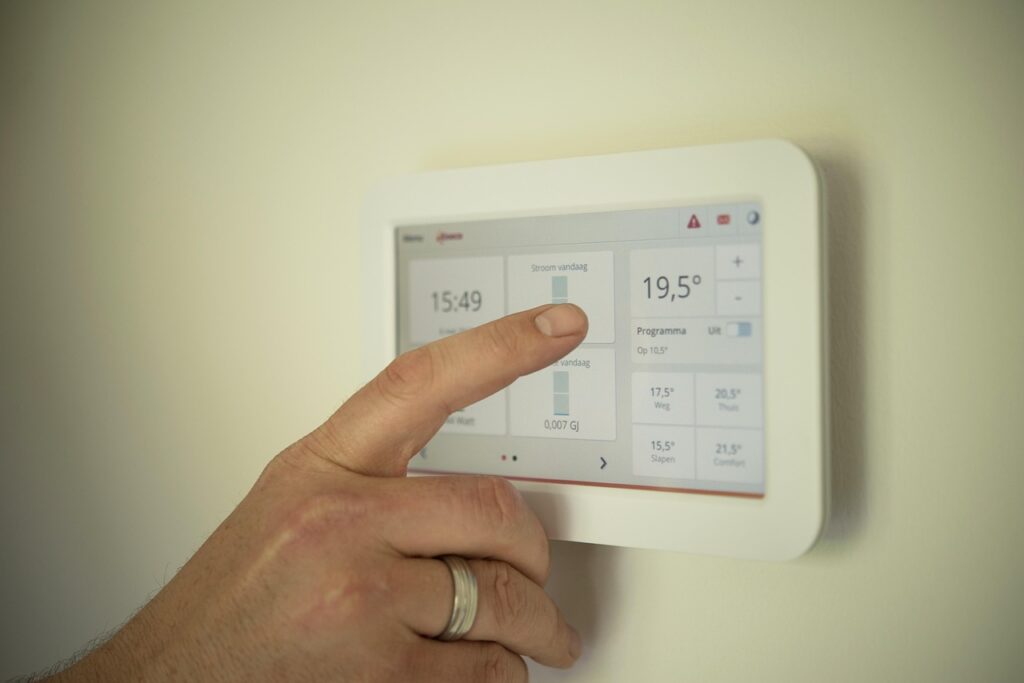
A smart thermostat automatically adjusts temperature based on your schedule, occupancy, and even local weather forecasts. ENERGY STAR certified smart thermostats can save the average household around 8 percent on combined heating and cooling costs per year. Models from Nest, Ecobee, and Honeywell learn your habits within the first week or two and start optimizing automatically, which removes the guesswork and the temptation to forget adjusting the dial yourself.
Set your smart thermostat to rise a few degrees automatically when the house is empty during the day, then cool back down about 30 minutes before you typically arrive home. This single habit alone can prevent your AC from running at full capacity for eight or more empty hours every weekday.
HVAC Maintenance That Actually Moves the Needle
A dirty air filter forces your air conditioner to work harder and can increase energy consumption by 5 to 15 percent. Replace or clean your filter every 30 to 90 days during peak cooling season, more often if you have pets or live in a dusty climate.
Beyond the filter, schedule a professional HVAC tune up each spring before the heat arrives. A technician checks refrigerant levels, cleans the condenser coils, and verifies that your ductwork is not leaking cooled air into your attic or crawl space. Leaky ducts alone can waste up to 30 percent of the air moving through your system.
Ceiling Fans and Airflow Tricks
Ceiling fans do not cool a room, they cool people, by creating a wind chill effect on your skin. Running a ceiling fan lets you raise your thermostat by about 4 degrees with no loss in comfort. Just remember to turn fans off when you leave a room since they do nothing to lower the actual air temperature and only waste electricity when no one is there to feel the breeze.
Energy Efficient Appliances and Smart Home Upgrades
Swapping outdated appliances for energy efficient models and adopting smarter daily habits around the house can reduce electricity bills in summer by targeting the secondary, and often overlooked, sources of consumption beyond your HVAC system.
ENERGY STAR Appliances Pay for Themselves
Appliances carrying the ENERGY STAR label use 10 to 50 percent less energy than standard models, depending on the category. A refrigerator alone runs 24 hours a day, every day, making it one of the highest cumulative energy users in your home even though it never feels like a “summer” appliance. An ENERGY STAR certified refrigerator can save you around 40 dollars a year compared to older, inefficient models, and that savings compounds every year you own it.
Laundry and Dishwashing Habits
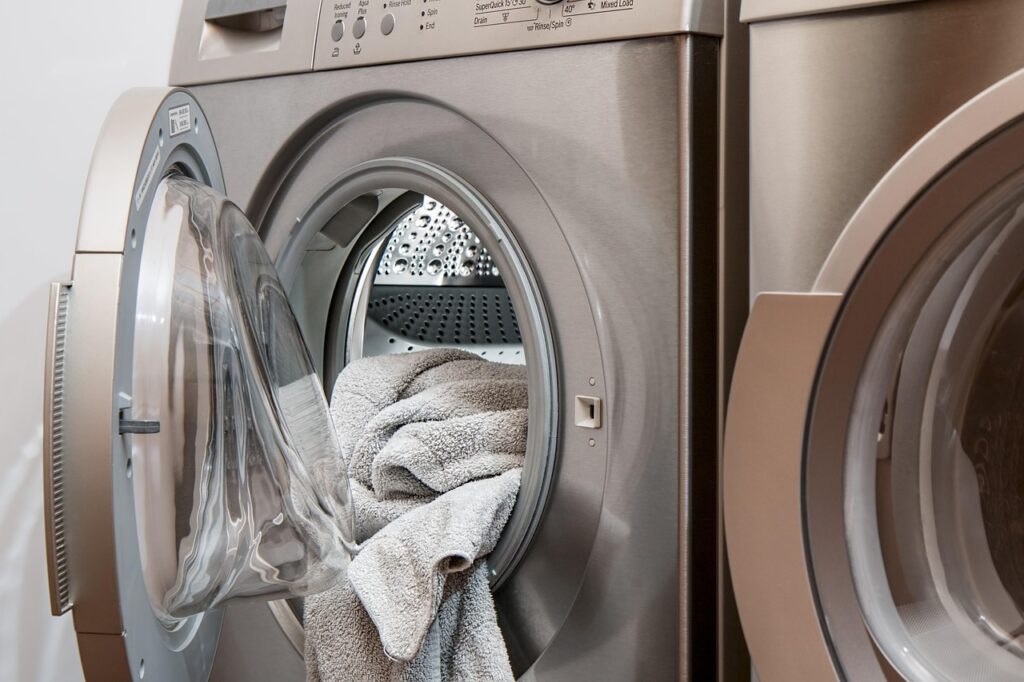
Running your washing machine, dryer, and dishwasher generate significant heat, which forces your air conditioner to work overtime to compensate. Wait until evening or early morning to run these appliances when outdoor temperatures are lower and, if your utility offers time of use pricing, when electricity is cheaper. Washing clothes in cold water instead of hot can cut the energy used per laundry load by up to 90 percent, since roughly 90 percent of a washing machine’s energy use goes toward heating water rather than running the motor.
Unplug Phantom Energy Drains
Many electronics and chargers continue drawing power even when switched off, a phenomenon known as phantom load or vampire power. The Department of Energy estimates phantom power accounts for 5 to 10 percent of residential electricity use annually. Game consoles, cable boxes, phone chargers, and countertop appliances with digital clocks are common culprits. Plugging these devices into a power strip and switching the strip off when not in use is a simple way to eliminate this hidden drain.
LED Lighting and Smart Plugs
Traditional incandescent bulbs waste roughly 90 percent of their energy as heat rather than light, which means they are quietly working against your air conditioner. Switching to LED bulbs cuts lighting energy use by up to 75 percent and produces far less ambient heat, according to the Department of Energy. Pairing LEDs with smart plugs or motion sensor switches ensures lights never run in empty rooms during the hottest part of the day.
Home Insulation, Windows, and Air Sealing
Sealing air leaks and improving insulation stops the cool air you are paying for from escaping your house, which is one of the most cost effective long term ways to reduce electricity bills in summer.
Weatherstripping and Caulking
Gaps around doors, windows, and utility penetrations let cooled air leak outside and let hot outdoor air seep in. ENERGY STAR estimates that sealing air leaks and adding insulation can save homeowners an average of 15 percent on heating and cooling costs. Weatherstripping kits and caulk cost under 30 dollars and can be installed in an afternoon without hiring a contractor.
Attic Insulation Matters More Than You Think
Heat rises, and an under insulated attic allows enormous amounts of heat to radiate down into your living space during summer afternoons. The Department of Energy recommends attic insulation levels of R38 to R60 for most U.S. climate zones. If your attic insulation is original to a home built before 2000, there is a strong chance it falls short of current recommendations, and topping it off is one of the higher ROI upgrades available to homeowners.
Window Treatments and Reflective Films
Up to 76 percent of sunlight that hits standard double pane windows enters as heat. Installing blackout curtains, cellular shades, or reflective window film on south and west facing windows can block a significant share of that solar heat gain before it ever reaches your thermostat. Closing blinds during the sunniest hours of the day, typically 10am to 4pm, is a free habit that noticeably reduces indoor temperature.
Exterior Shading and Landscaping
Planting shade trees or installing awnings on the sunniest side of your house lowers the surface temperature of your walls and windows, which reduces the heat your AC has to fight against. A well placed shade tree can lower nearby air temperature by several degrees and, over years, becomes one of the most effective and lowest maintenance cooling investments a homeowner can make.
Time of Use Rates and Peak Hour Electricity Management
Understanding when you use electricity is just as important as how much you use, since many utilities now charge different rates depending on the hour of the day.
What Time of Use Pricing Means for Your Bill
Time of use, often abbreviated TOU, is a rate structure where electricity costs more during high demand hours, typically weekday afternoons and evenings, and less during off peak hours like late night and early morning. On some California utilities, peak hour electricity can cost up to four times more per kilowatt hour than off peak rates. Even if TOU is not mandatory in your area, many utilities offer it as an optional plan that rewards households willing to shift their usage.
Shifting High Energy Tasks to Off Peak Hours
Running your dishwasher, washing machine, dryer, and electric vehicle charger after 9pm, once demand and prices drop, can meaningfully reduce your total monthly bill without changing how much electricity you actually use. Most utilities publish their specific peak and off peak windows on their website or app, so check your provider’s schedule and set a simple household rule to delay non urgent appliance use until after peak hours end.
Pre-Cooling Your Home Before Peak Hours
A lesser known but highly effective strategy is pre-cooling. Lower your thermostat a few degrees during the late morning, before peak pricing begins, so your home’s walls and air are already cool when the expensive afternoon hours hit. Then let the temperature drift upward slightly during peak hours since the home retains cool air for a few hours. This lets you avoid running your AC hard during the most expensive part of the day while still staying comfortable.
Solar Power, Rebates, and Long Term Savings
For households ready to invest beyond behavioral changes, solar power and utility rebate programs offer some of the largest long term reductions in summer electricity bills.
Rooftop and Community Solar
Solar electricity generation in the U.S. was projected to grow 75 percent between 2023 and 2025, based on EIA projections, reflecting how rapidly solar has become mainstream rather than a niche upgrade. If rooftop panels are not realistic for your home or budget, community solar programs let you subscribe to a share of a local solar farm and receive bill credits, often at a 5 to 25 percent discount compared to standard utility rates, without any upfront installation cost or rooftop equipment.
Federal and State Rebate Programs
The Database of State Incentives for Renewables and Efficiency, commonly known as DSIRE, tracks thousands of state and utility rebate programs for insulation, smart thermostats, heat pumps, and solar installations. Many electric utilities also offer direct rebates, sometimes 50 to 100 dollars, for enrolling in a smart thermostat program or completing a home energy audit. Checking your utility’s rebate page before making any major purchase can meaningfully lower your upfront cost.
Free and Low Cost Home Energy Audits
Many utilities offer a free or heavily subsidized home energy audit, where a technician identifies exactly where your home is losing energy, whether through air leaks, outdated insulation, or an aging HVAC system. This audit gives you a prioritized, personalized list rather than generic advice, which means every dollar you spend afterward on upgrades goes toward the fixes that matter most for your specific home.
Heat Pumps as a Long Term Upgrade
Replacing an aging central air conditioner or window units with a modern electric heat pump can cut cooling and heating energy use significantly, since heat pumps move heat rather than generate it and operate far more efficiently than older AC compressors. While the upfront cost is higher than a standard AC replacement, federal tax credits and utility rebates can offset a meaningful portion of the investment, and the ongoing savings continue for the 15 to 20 year lifespan of the unit.
Summer Electricity Savings Comparison Table
| Strategy | Typical Upfront Cost | Estimated Annual Savings | Effort Level |
|---|---|---|---|
| Raise thermostat to 78°F | $0 | Up to 18% on cooling costs | Low |
| Smart thermostat installation | $100 to $250 | About 8% on heating and cooling | Low |
| Air sealing and weatherstripping | $30 to $150 | Around 15% on heating and cooling | Medium |
| Attic insulation upgrade | $1,500 to $3,500 | 10 to 20% on cooling costs | Medium |
| LED lighting switch | $50 to $150 | Up to 75% of lighting energy use | Low |
| Ceiling fan use with thermostat adjustment | $0 to $100 per fan | Allows 4°F higher thermostat setting | Low |
| Time of use rate plan enrollment | $0 | Varies, often 5 to 15% with shifted usage | Medium |
| Rooftop solar installation | $15,000 to $25,000 before incentives | 50 to 90% of electric bill | High |
| Community solar subscription | $0 upfront | 5 to 25% discount on subscribed usage | Low |
| Heat pump replacement | $4,500 to $8,000 | Significant long term cooling and heating savings | High |
Frequently Asked Questions
What temperature should I set my thermostat to save money in summer?
The Department of Energy recommends 78 degrees Fahrenheit while you are home and a higher setting while you are away, since raising your thermostat saves roughly 3 percent on cooling costs for every degree.
How can I lower my electric bill in summer without an air conditioner?
Use ceiling fans, close blinds during peak sun hours, run heat generating appliances like the oven or dryer in the evening, and improve attic insulation so less outdoor heat enters your home in the first place.
Does unplugging appliances actually save electricity?
Yes. Phantom or standby power from devices left plugged in accounts for an estimated 5 to 10 percent of residential electricity use annually, according to the Department of Energy, so unplugging idle electronics or using a switchable power strip does reduce your bill.
Is it cheaper to leave the AC on all day or turn it off and on?
For most modern homes, it is cheaper to let your thermostat rise a few degrees while you are away rather than turning the system off completely, since a fully off AC has to work much harder to cool the house back down later. A smart or programmable thermostat automates this balance for you.
How much does a smart thermostat actually save?
ENERGY STAR certified smart thermostats save the average household about 8 percent per year on combined heating and cooling costs by learning your schedule and automatically adjusting temperature when you are away or asleep.
What uses the most electricity in a house during summer?
Heating and cooling account for about 52 percent of a typical U.S. home’s total energy consumption, making air conditioning by far the largest single contributor to a summer electricity bill.
Are time of use electricity rates worth switching to?
Time of use rates can lower your bill if you are able to shift laundry, dishwashing, and EV charging to off peak hours, since peak hour electricity can cost up to four times more on some utility plans. If your schedule cannot flexibly shift, a standard flat rate plan may remain more predictable.
Conclusion
Learning how to reduce electricity bills in summer comes down to controlling the few factors that matter most: your thermostat setting, the condition of your HVAC system, how well your home holds onto cool air, and when during the day you use electricity. Start with the free changes, raising your thermostat to 78 degrees, sealing obvious air leaks, and shifting laundry to off peak hours, before investing in bigger upgrades like attic insulation, a smart thermostat, or solar. Even a handful of these strategies combined can realistically shave 20 to 30 percent off your summer electricity bill, turning a source of seasonal stress into one less thing to worry about.