Owning a car now costs the average American driver 11,577 dollars a year, or roughly 965 dollars a month, according to AAA’s 2025 Your Driving Costs study. With that much money on the line, it makes sense that car owners have endless questions about maintenance, repairs, insurance, and how to protect their investment. This guide answers the most frequently asked questions of car owners in one place, pulled from real search patterns, mechanic consultations, and current 2025 and 2026 industry data.
In this guide you will learn how often to change your oil, what warning lights actually mean, how insurance premiums are calculated, when to repair versus replace a vehicle, and how to get the most value when you eventually sell or trade it in. Every answer here is written in plain language, backed by current data, and organized so you can jump straight to the section that matches your question. Whether you just bought your first car or you have been driving for decades, this guide covers the questions that come up again and again.
TABLE OF CONTENTS
- Car Maintenance Questions Every Owner Asks
- Warning Light and Dashboard Alert Questions
- Car Insurance Questions Car Owners Ask Most
- Car Buying and Financing Questions
- Fuel Efficiency and EV Ownership Questions
- Repair, Resale, and Trade In Questions
- FAQ: Rapid Fire Answers
1. Car Maintenance Questions Every Owner Asks
Car maintenance questions make up the single largest category of concerns among vehicle owners because small maintenance mistakes lead to the most expensive repairs. Understanding a few core habits prevents the majority of costly breakdowns.
How Often Should I Change My Oil
Most modern vehicles need an oil change every 5,000 to 7,500 miles with conventional oil, or every 7,500 to 10,000 miles with synthetic oil, though your owner manual is the final authority since some newer engines stretch that interval even further using oil life monitoring systems. Older advice recommending a change every 3,000 miles is largely outdated for most vehicles built after 2010, since engine technology and oil quality have both improved significantly.
How Do I Know If My Tires Need Replacing
A tire needs replacing once its tread depth drops to about 4/32 of an inch, which you can check with a simple penny test by inserting a penny upside down into the tread groove. If you can see all of Lincoln’s head, the tire is due for replacement. AAA also found that a large share of drivers never check tire pressure regularly, and underinflated tires are one of the most preventable causes of roadside breakdowns and uneven wear.
What Is a Realistic Car Maintenance Schedule
A realistic maintenance schedule blends manufacturer recommendations with mileage based checkpoints so nothing gets missed. Below is a general schedule that applies to most gas powered vehicles, though EVs and hybrids follow a different pattern covered later in this guide.
| Mileage | Recommended Service |
|---|---|
| Every 5,000 to 7,500 miles | Oil and filter change, tire rotation |
| Every 15,000 to 30,000 miles | Air filter replacement, brake inspection |
| Every 30,000 miles | Transmission fluid check, spark plug inspection |
| Every 60,000 miles | Timing belt inspection, coolant flush |
| Every 100,000 miles | Major service, spark plug replacement, timing belt replacement if applicable |
Why Does My Car Make a Squealing or Grinding Noise When Braking
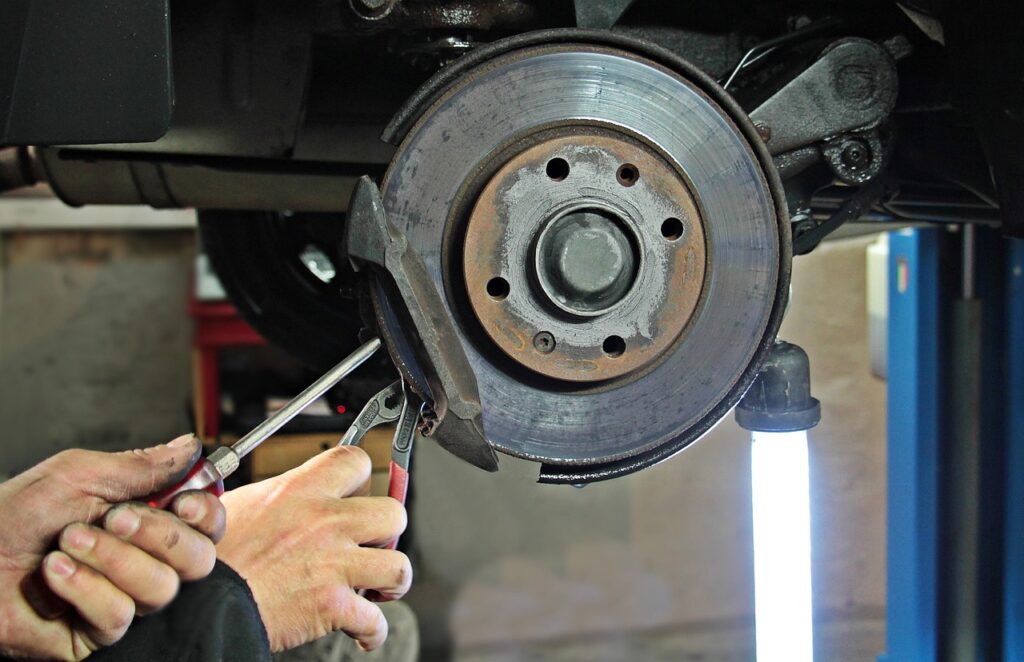
A squealing noise usually means your brake pads have worn down to their built in wear indicator and are signaling that a replacement is due soon. A grinding noise is more serious and typically means the pads are completely worn through and metal is now contacting metal, which can damage your rotors and significantly increase repair costs if ignored.
2. Warning Light and Dashboard Alert Questions
Dashboard warning lights exist to alert drivers to a problem before it becomes a breakdown, and understanding what each color and symbol means is one of the most searched car ownership topics.
What Does It Mean When the Check Engine Light Comes On
The check engine light turns on when your vehicle’s onboard computer detects a problem in the engine, emissions, or transmission system, and it can range from a loose gas cap to a serious sensor failure. A steady light usually allows you to drive to a mechanic soon, while a flashing check engine light signals a more urgent issue, often a misfire, and means you should reduce speed and get the car inspected immediately to avoid damaging the catalytic converter.
What Is the Difference Between Warning Light Colors
Dashboard warning lights follow a color coded system similar to a traffic signal, and understanding it helps you judge urgency instantly.
| Light Color | Meaning | Recommended Action |
|---|---|---|
| Green or blue | Informational, system is active | No action needed |
| Yellow or amber | Something needs attention soon | Schedule service within days |
| Red | Urgent safety or mechanical issue | Pull over safely and address immediately |
What Should I Do If My Tire Pressure Light Turns On
The tire pressure light, often shaped like a horseshoe with an exclamation point, means one or more tires has dropped below the recommended pressure listed on your driver door jamb. Check all four tires with a gauge as soon as possible, since temperature swings alone can drop tire pressure enough to trigger this light, especially during seasonal changes in fall and winter.
Why Is My Battery Light On Even Though the Car Starts Fine
A battery light typically points to a charging system problem rather than the battery itself, often caused by a failing alternator or a loose serpentine belt. Because your battery only starts the car while the alternator keeps it running and charged, a lit battery light while driving means the car may stall once the battery’s remaining charge runs out.
3. Car Insurance Questions Car Owners Ask Most
Car insurance questions are consistently among the most frequently asked questions of car owners because premiums vary so widely between drivers and states, and most people do not fully understand what determines their rate.
What Factors Actually Determine My Car Insurance Rate
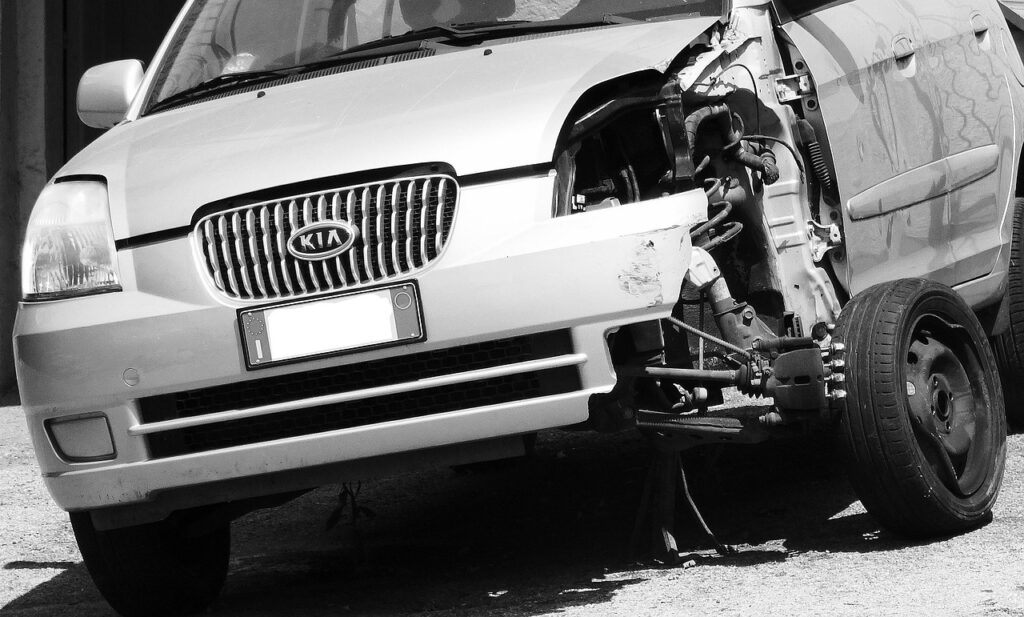
Insurance companies calculate rates using your driving record, age, location, credit based insurance score in most states, vehicle type, and annual mileage, with your driving history typically carrying the most weight. A single at fault accident can raise premiums by a significant percentage for three to five years depending on the insurer and state regulations.
How Much Car Insurance Coverage Do I Actually Need
Every state sets a legal minimum liability requirement, but most insurance experts recommend carrying more than the state minimum because minimum coverage often is not enough to cover a serious accident. A common recommendation is liability limits of at least 100,000 dollars per person and 300,000 dollars per accident, plus comprehensive and collision coverage if your car is financed or worth more than a few thousand dollars.
Does My Credit Score Affect My Car Insurance Premium
Yes, in most states insurers use a credit based insurance score as one factor in setting your premium, since actuarial data has historically shown a correlation between credit history and claim frequency. California, Hawaii, Massachusetts, and Michigan restrict or ban this practice, so your experience will vary significantly depending on where you live.
Should I File a Claim for Minor Damage
Filing a claim for minor damage is not always worth it once you calculate the math. If the repair cost is close to or below your deductible, or only slightly above it, paying out of pocket often saves money over time since a claim can raise your premium for several years and may offset any short term payout.
4. Car Buying and Financing Questions
Car buying questions dominate search traffic every fall and spring when new model years and incentive programs roll out, and financing terms have become just as important as the sticker price itself.
Should I Buy New or Used
Buying used typically saves money upfront since new vehicles lose a significant portion of their value the moment they are driven off the lot, with AAA estimating that new vehicles depreciate an average of 4,334 dollars annually. Buying new offers the advantage of a full manufacturer warranty and the latest safety technology, so the right choice depends on whether you prioritize lower upfront cost or long term reliability assurance.
Is Leasing or Buying Better for Me
Leasing generally offers lower monthly payments and lets you drive a newer car more often, but you never build equity and must stay within mileage limits, typically 10,000 to 15,000 miles per year. Buying costs more upfront or per month but builds ownership equity and removes mileage restrictions entirely, making it the better long term option for drivers who keep vehicles for many years.
| Factor | Leasing | Buying |
|---|---|---|
| Monthly payment | Generally lower | Generally higher |
| Long term cost | Higher over many years | Lower over many years |
| Mileage limits | Yes, typically 10,000 to 15,000 per year | None |
| Ownership equity | None | Builds over time |
| Best for | Drivers who want a new car every few years | Drivers keeping a car long term |
How Much Should I Budget for Total Car Ownership, Not Just the Payment
Total car ownership includes far more than the monthly loan payment, and AAA’s 2025 study puts the true average cost of owning and operating a new vehicle at 11,577 dollars per year once fuel, insurance, maintenance, depreciation, and financing are included. Budgeting only for the loan payment is one of the most common financial mistakes new car buyers make, since it ignores insurance, fuel, and maintenance that together can add several hundred dollars per month.
5. Fuel Efficiency and EV Ownership Questions
Fuel and energy questions have shifted rapidly as more drivers consider hybrids and electric vehicles.
Are Electric Vehicles Actually Cheaper to Own Than Gas Cars
Electric vehicles generally have lower fuel and maintenance costs than gas powered cars, since EVs have fewer moving parts and never require oil changes, but AAA’s 2025 data shows EVs currently have higher total ownership costs overall due to steeper depreciation, higher purchase prices, and higher insurance premiums. Whether an EV saves you money depends heavily on how long you keep it and how many miles you drive annually, since operating savings accumulate over time while depreciation is front loaded.
How Can I Improve My Car’s Gas Mileage
Simple habits like maintaining proper tire pressure, avoiding aggressive acceleration, removing excess weight from the trunk, and keeping up with air filter changes can meaningfully improve fuel economy. Highway driving at a steady 55 to 65 mph is generally more fuel efficient than stop and go city driving or speeds above 70 mph, where aerodynamic drag increases fuel consumption significantly.
Do Hybrids Really Save Money Long Term
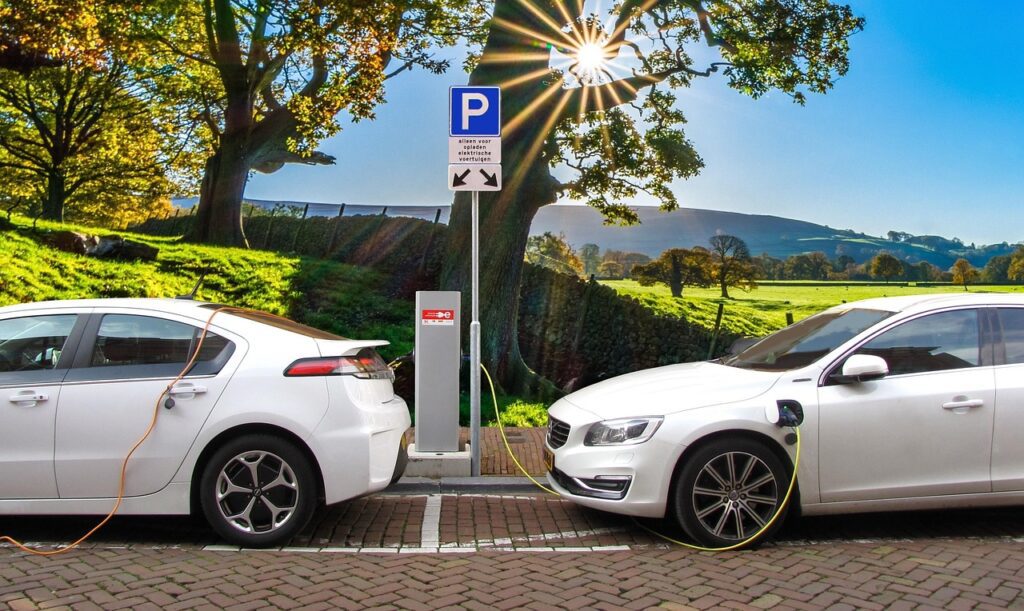
Hybrids currently offer some of the lowest total ownership costs of any vehicle category according to AAA’s 2025 analysis, ranking just behind small sedans due to excellent fuel economy combined with moderate purchase prices and lower maintenance needs than EVs or larger gas vehicles. For drivers who want fuel savings without the higher upfront cost and depreciation risk of a full EV, a hybrid is often the more balanced financial choice.
6. Repair, Resale, and Trade In Questions
Repair and resale questions typically surface once a car passes the five year mark, when warranty coverage ends and owners start weighing whether continued investment still makes financial sense.
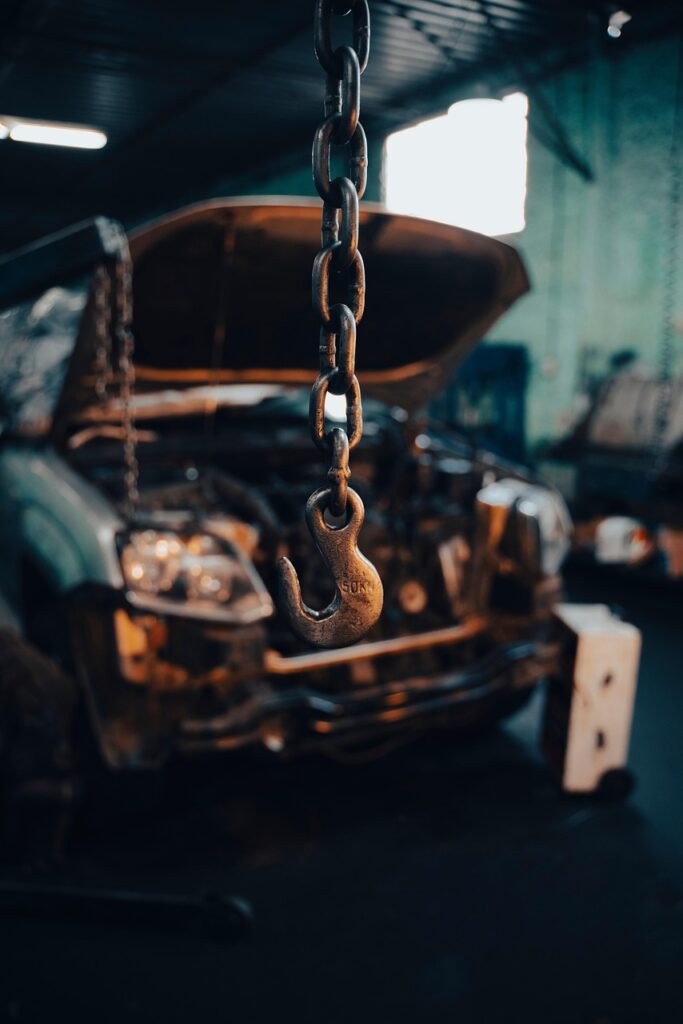
Should I Repair My Car or Buy a New One
A common rule of thumb is to consider replacing your vehicle if a single repair costs more than 50 percent of the car’s current market value, or if you are facing repeated repairs that add up to a similar threshold within a short period. A car with a clean maintenance history and no major structural issues is often still worth repairing well past 100,000 miles, especially compared to taking on new car depreciation and a fresh loan.
How Do I Get the Most Value When Trading In My Car
Getting the most trade in value starts with researching your car’s fair market value through independent pricing tools before you ever step onto a dealer lot, since negotiating from an informed position typically results in a better offer. Keeping detailed maintenance records, fixing minor cosmetic issues, and thoroughly cleaning the vehicle before appraisal can noticeably increase the offer a dealer provides.
Is Selling Privately Better Than Trading In
Selling privately typically nets more money than trading in, sometimes a meaningfully higher amount depending on the vehicle, because dealers need to resell your trade in at a profit and price their offer accordingly. The tradeoff is time and effort, since a private sale requires listing, screening buyers, and handling paperwork yourself, while a trade in is completed the same day as your new purchase.
What Documents Do I Need Before Selling My Car
Before selling your car privately, gather the vehicle title, maintenance records, a bill of sale, and your state’s required release of liability or transfer form, since requirements vary by state department of motor vehicles. Having a recent vehicle history report ready ahead of time also builds buyer trust and often speeds up the sale.
FAQ: Rapid Fire Answers
What is the most common car repair? Brake pad replacement and battery replacement are consistently among the most common car repairs, since both are wear items that every vehicle eventually needs regardless of make or model.
How long do car batteries usually last? Most car batteries last between three and five years, with hot climates shortening that lifespan due to accelerated internal corrosion.
How often should I rotate my tires? Tires should generally be rotated every 5,000 to 7,000 miles, or at every other oil change, to promote even wear across all four tires.
What does it mean when my car is making a rattling noise? A rattling noise can indicate a loose heat shield, worn suspension component, or debris in the exhaust system, and while not always urgent, it should be inspected soon to rule out a more serious mechanical issue.
How much does a typical oil change cost? A conventional oil change typically costs between 35 and 75 dollars, while a synthetic oil change usually runs between 65 and 125 dollars depending on your vehicle and location.
Do I really need to warm up my car before driving in winter? Modern fuel injected engines do not need extended idling to warm up, and driving gently for the first few minutes actually warms the engine, transmission, and tires faster than idling in place.
What is considered high mileage for a used car? A used car is generally considered high mileage once it passes 100,000 miles, though with consistent maintenance many modern engines run reliably well past 150,000 to 200,000 miles.
How do I know if my car is worth fixing? Compare the repair estimate to your car’s current market value using an independent pricing guide, and if the repair cost exceeds roughly half of that value, replacing the vehicle usually makes more financial sense.
CONCLUSION
Car ownership comes with a steady stream of decisions, from routine maintenance to major financial choices like buying, insuring, and eventually selling a vehicle. This guide covered the most frequently asked questions of car owners across maintenance, warning lights, insurance, financing, fuel efficiency, and resale, giving you a single reliable resource instead of piecing together answers from scattered sources. Keeping up with routine maintenance, understanding your dashboard alerts, and shopping smart on insurance and financing are the habits that consistently separate drivers who spend the least over time from those who face constant surprise repair bills. Bookmark this guide and return to it whenever a new question about your vehicle comes up, since the fundamentals here apply no matter what you drive.