INTRODUCTION
Every year, AAA responds to millions of roadside calls, and flat tires remain one of the top three reasons drivers get stranded. If you have ever stood on the shoulder of a highway staring at a flat tire and wondering what to do next, you are not alone, and you do not need to panic. Learning how to change a tire is one of the most valuable skills any driver can have, and it takes less time than most people think once you know the process.
In this guide you will learn exactly how to change a tire safely and confidently, what tools you actually need, how long the job really takes, the most common mistakes drivers make, and when it is smarter to call for professional help instead. We will also cover tire maintenance habits that help you avoid flats altogether. Whether you drive a sedan, a pickup truck, or an SUV, this guide gives you a complete, no fluff roadmap so you are never caught off guard again.
TABLE OF CONTENTS
- What You Need Before You Start
- How to Change a Tire: Step by Step Instructions
- How Long Does It Take to Change a Tire
- Common Mistakes to Avoid When Changing a Tire
- When to Call Roadside Assistance Instead
- Tire Maintenance Tips to Prevent Future Flats
- FAQ: People Also Ask
1. What You Need Before You Start
Changing a tire requires a small set of tools that most vehicles already carry in the trunk. Knowing what each tool does before an emergency happens saves precious minutes on the side of the road.
Essential Tire Changing Tools
To change a tire, you need a working spare tire, a jack, a lug wrench, your vehicle’s owner manual, and a flashlight if it is dark. Many newer cars replace the spare with a tire inflator kit, so check your trunk before you actually need it.
Here is a quick breakdown of what each tool does:
| Tool | Purpose | Where to Find It |
|---|---|---|
| Spare tire | Temporary replacement for the flat | Trunk floor, under cargo area |
| Scissor or bottle jack | Lifts the vehicle off the ground | Trunk side panel or under floor mat |
| Lug wrench | Loosens and tightens lug nuts | Stored with the jack |
| Wheel wedges or bricks | Prevents the car from rolling | Not always included, bring your own |
| Tire pressure gauge | Checks spare tire pressure | Glove box |
| Flashlight or headlamp | Visibility for night changes | Emergency kit |
| Gloves | Protects hands from grease and metal | Emergency kit |
How to Tell If Your Spare Tire Is Ready
A spare tire is only useful if it holds air and matches your vehicle correctly. Before you rely on it, check the pressure listed on the tire’s sidewall or inside the driver door jamb, and inspect it for cracks or dry rot, since spares can sit unused for years and lose air slowly. According to AAA research, missing locking lug nut keys alone prevented technicians from completing thousands of roadside tire changes in a single year, so keeping that key with your spare is just as important as the spare itself.
There are three common spare types drivers encounter.
| Spare Type | Max Driving Speed | Max Distance | Best For |
|---|---|---|---|
| Full size spare | Same as regular tire | Unlimited | Trucks and older SUVs |
| Compact “doughnut” spare | 50 mph | 50 to 70 miles | Most sedans |
| Tire inflator kit | Varies | Short trips to a tire shop | Newer vehicles without a spare |
Safety Gear Every Driver Should Carry
Before you touch a lug nut, your safety comes first. Pull off the road onto a flat, stable surface, turn on your hazard lights, and set the parking brake. Reflective triangles, a bright vest, and wheel wedges are inexpensive additions to your trunk that make a real difference if you break down at night or on a busy road.
2. How to Change a Tire: Step by Step Instructions
Changing a tire is a mechanical process that follows the same sequence in almost every vehicle. Once you understand the order of operations, the physical work itself takes only a few minutes.
Step 1: Find a Safe Spot and Prepare the Vehicle
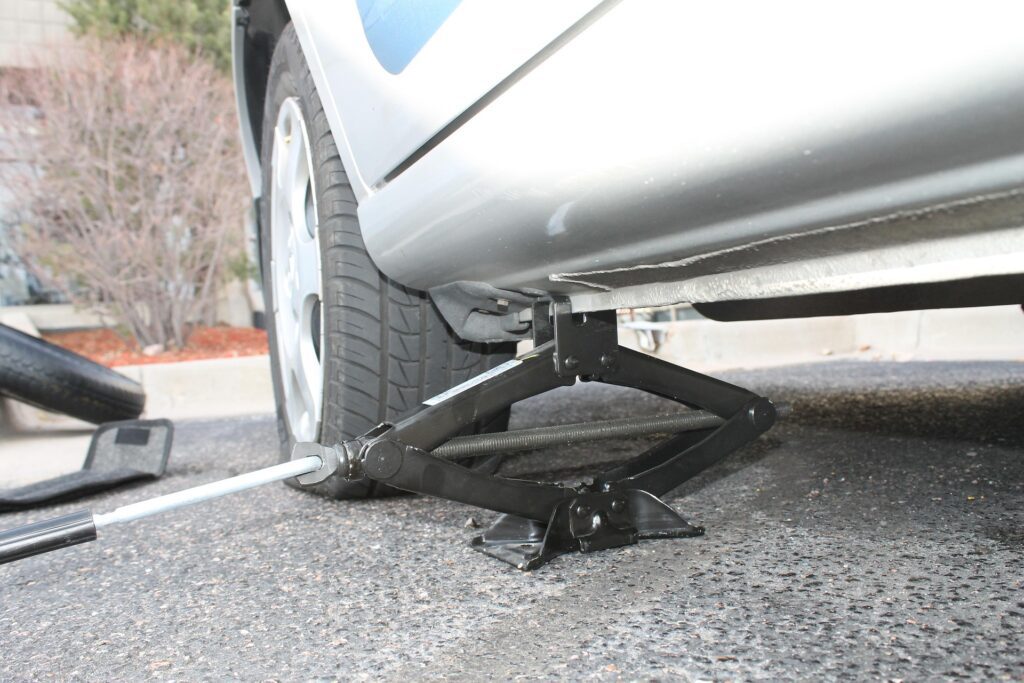
Slow down gradually and pull as far off the road as possible, ideally onto a parking lot, shoulder, or flat driveway. Turn on your hazard lights immediately, shift into park (or first gear for manual transmissions), and engage the parking brake. Place wheel wedges behind the tires that are staying on the ground to stop the car from rolling while it is jacked up.
Step 2: Loosen the Lug Nuts Before Jacking
With the tire still on the ground, use the lug wrench to turn each lug nut counterclockwise about a quarter turn. Do not remove them yet. Loosening them now works because the tire’s contact with the ground keeps the wheel from spinning, which becomes impossible once the car is lifted.
Step 3: Position the Jack and Lift the Vehicle
Check your owner manual for the correct jack point, usually a reinforced spot along the vehicle’s frame near the flat tire. Raise the car until the flat tire is about six inches off the ground, giving you enough clearance to remove and replace the wheel.
Step 4: Remove the Lug Nuts and the Flat Tire
Finish unscrewing the lug nuts by hand and set them aside somewhere you will not lose them. Grip the flat tire with both hands and pull it straight toward you off the wheel hub.
Step 5: Mount the Spare Tire
Line up the spare’s rim holes with the wheel bolts and push it onto the hub. Thread each lug nut back on by hand in a star pattern, meaning you tighten opposite nuts in sequence rather than going around in a circle, since this seats the wheel evenly.
Step 6: Lower the Vehicle and Tighten Fully
Once the lug nuts are snug, lower the jack until the spare touches the ground but the full weight of the car is not yet on it. Use the lug wrench to tighten each nut as firmly as you can in the same star pattern, then finish lowering the car completely and give the nuts one more firm tightening pass.
Step 7: Check Tire Pressure and Drive Carefully
Confirm the spare tire’s pressure with your gauge if possible, and remember that a compact spare limits your speed to around 50 mph and your distance to roughly 50 to 70 miles. Drive directly to a tire shop or mechanic to get the flat repaired or replaced as soon as you can.
3. How Long Does It Take to Change a Tire
On average, changing a tire takes between 15 and 30 minutes for an experienced driver working in good conditions with the right tools. A first timer, or someone working in the dark, rain, or on an uneven roadside, should expect closer to 30 to 45 minutes.
Factors That Affect Tire Changing Time
Several variables explain why the answer to how long does it take to change a tire is not the same for everyone. Rusted or overtightened lug nuts can add 10 minutes or more if you need extra leverage. Locking lug nuts without their key on hand can stop the job entirely. Weather, lighting, and whether the vehicle is on a level surface all change how quickly and safely you can work. Larger trucks and SUVs also tend to take longer because the wheels and jacks involved are heavier and bulkier than those on a compact sedan.
DIY Versus Professional Roadside Assistance
If you would rather not do it yourself, a roadside assistance provider is usually a faster and safer option depending on your location. According to AAA, its digital roadside request system can connect a member with a technician to request a tire change in under four minutes on average, though actual arrival time on scene depends on your location, time of day, and provider availability.
| Method | Typical Time | Cost | Best For |
|---|---|---|---|
| DIY tire change | 15 to 45 minutes | Free (if you own the tools) | Drivers comfortable with basic mechanics |
| AAA or roadside assistance | Request in under 4 minutes, arrival varies | Included with membership or a service fee | Highway breakdowns, night, unsafe locations |
| Mobile tire repair service | 30 to 60 minutes | $50 to $150 depending on service | Non members, urban or suburban areas |
4. Common Mistakes to Avoid When Changing a Tire
Even drivers who know the basic steps sometimes make errors that turn a routine task into a dangerous one.
Jacking Up the Car in the Wrong Spot
Placing the jack under a plastic panel, the exhaust, or an unsupported section of the frame can cause the jack to slip or damage the vehicle. Always confirm the correct jack point in your owner manual before lifting.
Skipping the Loosen Before Lift Step
Trying to loosen lug nuts after the tire is already off the ground almost always causes the wheel to spin freely, making the nuts nearly impossible to budge. Loosen them first while the tire still has traction against the ground.
Forgetting Wheel Wedges
Without something blocking the wheels that remain on the ground, a parked car can roll while it is jacked up, especially on any incline. This is one of the leading causes of tire changing injuries.
Overtightening or Undertightening Lug Nuts
Lug nuts that are too loose can cause the wheel to wobble or detach while driving. Lug nuts that are cranked down unevenly can warp the brake rotor. Tightening in a star pattern and checking torque with a proper wrench when you get home solves both problems.
Driving Too Far or Too Fast on a Compact Spare
A doughnut spare is a temporary fix, not a permanent tire. Pushing it past 50 mph or driving more than about 70 miles risks a blowout and additional vehicle damage.
5. When to Call Roadside Assistance Instead
Not every flat tire is safe or practical to change yourself. Recognizing when to call for help is just as important as knowing the steps.
Situations That Call for Professional Help
Call roadside assistance if you are on a busy highway shoulder with no safe way to pull further off the road, if your spare tire is flat or missing, if lug nuts are rusted solid or you cannot find your locking lug nut key, or if you have any physical limitation that makes lifting or turning a wrench unsafe. AAA reports that a large share of roadside calls involve battery, tire, and lockout issues combined, which is why most membership plans build tire change service directly into their basic coverage.
What to Expect From a Roadside Service Call
A typical roadside assistance visit for a flat tire includes the technician inspecting the damage, installing your spare if it is usable, or arranging a tow to the nearest repair shop if the spare is unsafe or unavailable. Most providers, including AAA, do not charge extra for the tire change itself if you are within your plan’s included service calls, though non members typically pay a flat dispatch fee plus labor.
6. Tire Maintenance Tips to Prevent Future Flats
Preventing a flat tire is far easier than dealing with one on the roadside.
Check Tire Pressure Monthly
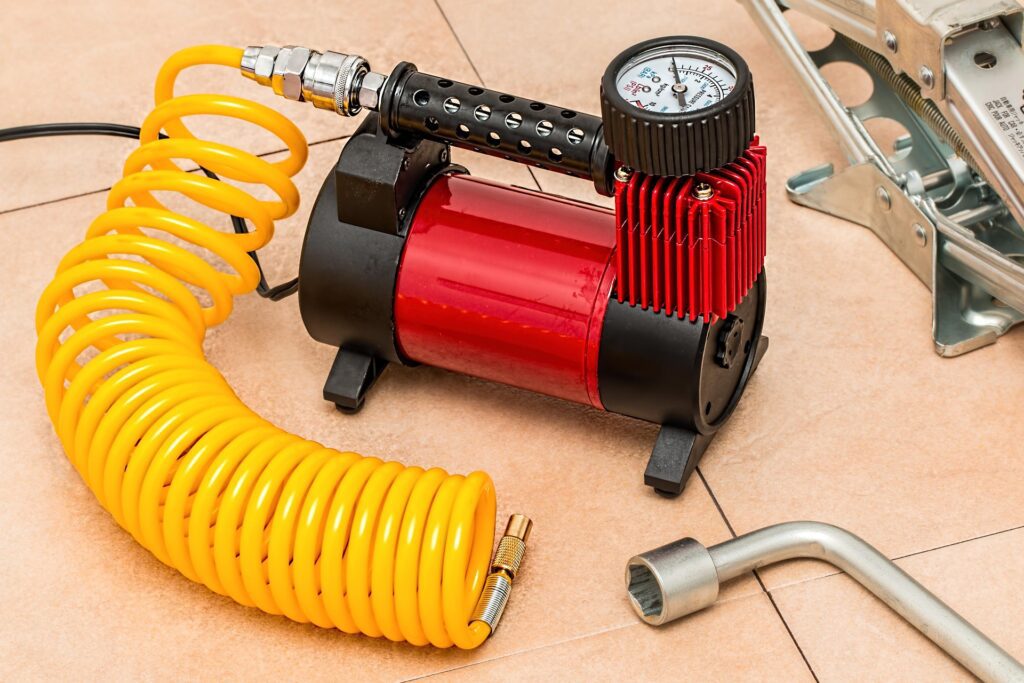
Underinflated tires wear unevenly and are more prone to punctures and blowouts. AAA research found that a majority of drivers do not check their tire pressure regularly, which is one of the most preventable causes of roadside breakdowns. Check pressure once a month, including your spare, using the number listed on your driver door jamb rather than the number printed on the tire itself.
Inspect Tread Depth Regularly
Once tread depth reaches about 4/32 of an inch, most experts recommend replacing the tire, since shallow tread loses grip and increases puncture risk significantly, especially in wet conditions.
Rotate Tires on Schedule
Rotating your tires every 5,000 to 7,000 miles, or according to your manufacturer’s schedule, helps them wear evenly and extends the life of the full set, reducing the odds of a sudden failure.
Keep Your Spare Ready at All Times
A spare tire that has been ignored for years is often flat or dry rotted exactly when you need it. Check its pressure and condition during every oil change so it is ready the moment you need to know how to change a tire in a real emergency.
FAQ: People Also Ask
How long does it take to change a tire? Changing a tire typically takes 15 to 30 minutes for someone with basic experience and the right tools, though it can take up to 45 minutes for a first timer or in poor weather conditions.
Can I drive on a spare tire long distance? No. A compact spare is designed for short term use only, generally limited to about 50 mph and 50 to 70 miles, before you need a full tire replacement.
Do I need to loosen lug nuts before or after jacking up the car? Always loosen lug nuts before you jack up the car. Once the tire is off the ground it will spin freely, making the nuts very difficult to loosen safely.
What if I do not have a spare tire? If your vehicle only came with a tire inflator kit, you can use it for small punctures, but larger damage will require a tow to the nearest tire shop or a call to roadside assistance.
Is it safe to change a tire on the highway shoulder? It can be risky. If you cannot pull far enough away from moving traffic, it is safer to turn on your hazard lights, stay inside the vehicle with your seatbelt on, and call roadside assistance instead of attempting the change yourself.
How much does it cost to have someone change my tire? If you have roadside assistance membership, a tire change is typically included at no extra charge within your allowed service calls. Non members generally pay between 80 and 150 dollars depending on location and provider.
How often should I check my spare tire? Check your spare’s air pressure and condition at least every few months, ideally during routine maintenance like an oil change, so it is ready when you actually need it.
CONCLUSION
Knowing how to change a tire is a practical, confidence building skill every driver benefits from, whether you handle it yourself in fifteen minutes or call in professional roadside assistance for a faster, safer fix. By keeping the right tools in your trunk, following the step by step process outlined above, and maintaining your tires proactively, you can turn a stressful roadside emergency into a minor inconvenience. The next time you face a flat, you will know exactly what to do, how long it should take, and when it makes sense to let a professional handle it instead.