Every driver has faced that sinking feeling: you turn the key, and nothing happens. A dead car battery is one of the most common reasons Americans call roadside assistance, and according to AAA, battery-related service calls top 7 million every single year in the United States. What makes it worse is that most of those failures were preventable with a little knowledge.
In this guide you will learn everything you need to know about your car battery — how long it lasts, why it goes bad, what types are available, how to test it before it fails, how to jump-start it in an emergency, and how to replace it yourself without calling a mechanic. Whether you drive a daily commuter or a weekend truck, this information will save you time, money, and a lot of frustration on the side of the road.
Table of Contents
- What Is a Car Battery and How Does It Work
- Types of Car Batteries Explained
- How Long Do Car Batteries Last
- Why Does a Car Battery Go Bad
- How Can You Tell If a Car Battery Is Dead
- How to Test a Car Battery
- How to Jump a Car Battery Safely
- How to Clean Battery Corrosion
- How to Change a Car Battery Step by Step
- Car Battery Price Comparison Table
- Frequently Asked Questions
What Is a Car Battery and How Does It Work
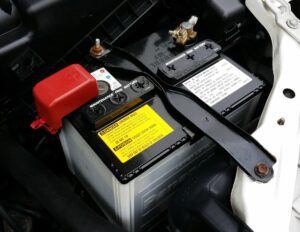
A car battery is a rechargeable energy storage device that supplies electrical current to start your engine and powers your vehicle’s electronics when the alternator is not producing enough output. Without it, your car is just an expensive piece of metal sitting in the driveway.
Most standard car batteries are lead-acid batteries. They contain lead plates submerged in a sulfuric acid and water solution called electrolyte. When you turn the ignition key, a chemical reaction between the lead plates and the electrolyte releases electrical energy. That energy cranks the starter motor, which turns the engine over. Once the engine runs, the alternator takes over and recharges the battery while simultaneously powering your lights, radio, air conditioning, and every other electrical system in the vehicle.
The battery is rated in two important numbers you will see on the label. The first is Cold Cranking Amps, or CCA. This tells you how much current the battery can deliver for 30 seconds at 0 degrees Fahrenheit. The second is Reserve Capacity, or RC, which tells you how many minutes the battery can power your car’s essentials if the alternator fails. A higher CCA matters more if you live in a cold climate like Minnesota or Michigan. Reserve Capacity matters more if you frequently leave accessories running while the engine is off.
Types of Car Batteries Explained
Not all car batteries are the same. The type of battery your vehicle needs depends on your car’s electrical demands, your climate, and your budget. Choosing the wrong type can lead to premature failure and even damage to your vehicle’s electrical system.
Flooded Lead-Acid Batteries (Conventional)
Flooded lead-acid batteries are the most common and affordable type on the market. They have been used in vehicles for over a century and remain the standard choice for most passenger cars and trucks. Inside, lead plates sit in liquid electrolyte. These batteries require maintenance — you may occasionally need to check and top off the distilled water inside. They are widely available at auto parts stores across the country and are typically the least expensive option, often ranging from $50 to $120.
AGM Batteries (Absorbent Glass Mat)
AGM batteries are a significant step up from conventional flooded batteries. In an AGM battery, the electrolyte is absorbed into fiberglass mats rather than pooling as free liquid. This makes them spill-proof, more vibration-resistant, and capable of deeper discharge cycles without damage. They are the standard in modern vehicles with start-stop technology, large infotainment systems, and advanced driver-assistance features. According to a 2023 report by Grand View Research, the AGM battery market in North America is growing rapidly because of increased electrical demands in newer vehicles. Expect to pay between $150 and $300 for a quality AGM battery.
EFB Batteries (Enhanced Flooded Battery)
EFB batteries are a middle-ground option between conventional flooded batteries and AGM. They are designed specifically for entry-level start-stop vehicles and offer better cycle durability than standard flooded batteries without the higher price of AGM. They are common in European and Asian brands sold in the US market.
Lithium-Ion Batteries
Lithium-ion car batteries are primarily found in hybrid and electric vehicles, but a growing number of performance and racing enthusiasts are also using them in gasoline-powered vehicles. They are significantly lighter than lead-acid batteries — sometimes by as much as 70 percent — and hold a charge for much longer. However, they are considerably more expensive and require specific charging systems. Tesla, Toyota Prius, and other hybrid or EV platforms rely on lithium-ion technology exclusively.
Gel Cell Batteries
Gel cell batteries use silica gel to suspend the electrolyte, making them completely sealed and maintenance-free. They perform well in high-vibration environments and extreme temperatures. However, they charge more slowly than other types and can be damaged by fast chargers, so they are most commonly used in motorcycles, RVs, and marine applications rather than everyday passenger vehicles.
How Long Do Car Batteries Last
A car battery typically lasts between 3 and 5 years under normal driving conditions in the United States. However, that number can vary widely depending on where you live, how you drive, and how well you maintain the battery.
Climate Is the Biggest Factor
Heat is actually more destructive to car batteries than cold weather, even though most people assume the opposite. High temperatures accelerate internal corrosion and cause the electrolyte to evaporate faster. According to a study by the Battery Council International, drivers in hot-climate states like Arizona, Texas, and Florida often see battery life drop to 2 to 3 years, while drivers in northern states frequently get 4 to 5 years out of the same battery.
Cold weather does not destroy batteries the same way heat does, but it significantly reduces their ability to deliver cranking amps. A fully charged battery at 32 degrees Fahrenheit has roughly 65 percent of the power it has at 77 degrees. That is why so many people wake up to dead batteries during the first cold snap of winter — the battery was already weakened, and the cold exposed the weakness.
Driving Habits Matter
Short trips are surprisingly hard on batteries. Every time you start your car, you pull a large amount of current from the battery to crank the engine. If you only drive for 5 to 10 minutes, the alternator does not have enough time to fully recharge what was used. Drivers who take frequent short trips around town are often surprised to find their battery dies well before the 3-year mark. Highway drivers and commuters who take longer drives tend to get full battery life because the alternator has time to do its job.
Warning Signs Your Battery Is Aging
Most batteries do not simply quit without warning. Watch for slow engine cranking when you start the car, dimming headlights at idle, a dashboard battery warning light, or electronics behaving erratically. If you notice any of these signs, it is time to test your battery before it leaves you stranded.
Why Does a Car Battery Go Bad
Understanding why car batteries fail helps you prevent problems before they happen. Car batteries go bad for several reasons, and most of them are avoidable with basic care.
Sulfation
Sulfation is the single most common cause of premature battery failure. When a lead-acid battery is left in a discharged state for too long, lead sulfate crystals build up on the plates. Over time, these crystals harden and become permanent, reducing the battery’s ability to hold or deliver a charge. Sulfation can happen if you leave your car sitting unused for weeks, if you repeatedly run the battery down, or if the battery is chronically undercharged because of too many short trips.
Overcharging
A faulty alternator can push too much voltage into the battery, overcharging it. Overcharging causes the electrolyte to boil, produces excessive hydrogen gas, and warps the internal lead plates. Once plates are warped, the damage is permanent and the battery will fail much sooner than expected. If your battery consistently dies even after replacement, the alternator voltage regulator should be checked.
Vibration Damage
Batteries experience physical vibration every time you drive, especially on rough roads. Over time, vibration can loosen the internal components and cause them to short out. Always make sure your battery is secured tightly in its tray with the hold-down clamp in place. A battery that bounces around under the hood will fail significantly faster than one that is properly mounted.
Deep Discharges
Leaving your headlights on overnight, running accessories with the engine off, or a parasitic electrical drain in the vehicle’s wiring can deeply discharge the battery. Deep discharge is highly damaging to lead-acid batteries. While a battery might survive one or two full discharges, repeated deep discharges dramatically shorten its lifespan.
Age
Even with perfect care, no battery lasts forever. The internal chemistry degrades over time. After 5 years, even a well-maintained battery is operating on borrowed time. If your battery is approaching the 4 to 5 year mark, it is smart to have it tested annually, even if it seems to be working fine.
How Can You Tell If a Car Battery Is Dead
A dead or dying car battery almost always gives you warning signs before it completely fails. Knowing what to look for can save you from being stranded.
The Engine Cranks Slowly or Not at All
This is the most obvious sign. If you turn the key and the engine cranks slowly — sounding like it is struggling to turn over — the battery is likely weak. If you turn the key and hear only a rapid clicking sound, or nothing at all, the battery is either dead or the connection is too poor to deliver current.
The Check Engine or Battery Light Is On
Many vehicles have a dedicated battery warning light on the dashboard. If this light comes on while you are driving, it does not necessarily mean the battery is dead, but it does mean the charging system is not operating correctly. This could be the battery, the alternator, or a connection issue.
Electrical Components Are Acting Strangely
Power windows moving slowly, the radio resetting itself, the clock losing time, or interior lights flickering are all signs that the electrical system is not getting adequate power. These symptoms often appear before the battery reaches full failure.
The Battery Case Is Swollen or Cracked
A swollen battery case is a serious warning sign. It typically means the battery has been overcharged or exposed to extreme heat, causing gas to build up inside. A swollen battery should be replaced immediately because it can leak acid or, in rare cases, rupture.
You Notice a Rotten Egg Smell
A sulfur or rotten-egg smell near the battery is caused by hydrogen sulfide gas, which is produced when a battery is damaged or overcharging. If you smell this odor, avoid sparks near the battery and have it inspected right away.
How to Test a Car Battery
Testing a car battery is something any driver can do at home with inexpensive tools. Knowing how to test a car battery lets you catch problems early and avoid unexpected breakdowns.
Testing With a Multimeter
A digital multimeter is the easiest and most affordable way to check your battery at home. You can buy a reliable one for under $20 at any hardware or auto parts store.
Set the multimeter to DC voltage. Touch the red probe to the positive battery terminal and the black probe to the negative terminal. A fully charged, healthy battery should read between 12.6 and 12.8 volts with the engine off. A reading of 12.4 volts indicates a 75 percent charge. Anything below 12.0 volts means the battery is significantly discharged and may need replacement. If the voltage reads below 11.8 volts, the battery is likely dead or severely damaged.
After the engine has been running for at least 15 minutes, test the voltage again with the engine running. With the alternator charging the battery, you should see a reading between 13.7 and 14.7 volts. A reading below 13.5 suggests the alternator is not charging properly.
Testing With a Battery Load Tester
A multimeter tells you the battery’s resting voltage, but a load tester tells you whether the battery can actually deliver power under real-world demand. Load testers apply a current draw to the battery and measure how well it holds up. Many auto parts stores — including AutoZone, O’Reilly, and Advance Auto Parts — will test your battery for free using a load tester while you wait. This is one of the most reliable ways to check your car battery’s health.
Checking the CCA With a Digital Analyzer
Professional-grade battery analyzers can measure the battery’s actual Cold Cranking Amps and compare them to the original specification. If the battery is delivering less than 80 percent of its rated CCA, it should be replaced before it fails completely. These analyzers are available at most auto parts stores and many repair shops.
How to Jump a Car Battery Safely
Knowing how to jump a car battery is an essential roadside skill that every driver should have. Done correctly, it takes about 10 minutes and gets you back on the road without waiting for a tow truck.
What You Need
You need a working vehicle with a charged battery, a set of jumper cables at least 10 to 12 feet long, or a portable jump starter pack. Cables that are too short may not reach between two vehicles parked bumper to bumper. Make sure the cables are in good condition — cracked insulation can be dangerous.
Step-by-Step Jump Start Process
Park the working vehicle so the batteries are as close together as possible, but make sure the two vehicles do not touch each other. Turn off both vehicles completely.
Connect the red (positive) jumper cable clamp to the positive terminal of the dead battery. The positive terminal is usually marked with a plus sign or the letters POS. Connect the other red clamp to the positive terminal of the good battery.
Connect the black (negative) cable to the negative terminal of the good battery. Now, instead of connecting the final black clamp to the dead battery’s negative terminal, connect it to an unpainted metal surface on the engine block of the car with the dead battery — away from the battery itself. This reduces the risk of igniting hydrogen gas that may be present near the dead battery.
Start the working vehicle and let it run for 2 to 3 minutes to transfer charge. Then attempt to start the vehicle with the dead battery. If it starts, remove the cables in the exact reverse order you connected them. Drive the recovered vehicle for at least 20 to 30 minutes to allow the alternator to recharge the battery.
What to Do If It Does Not Start
If the car with the dead battery does not start after two or three attempts, wait another 5 minutes with the working vehicle running, then try again. If it still does not start, the battery may be too far gone to accept a jump, or there may be another problem like a failed starter motor.
How to Clean Battery Corrosion
Battery corrosion is one of the most overlooked maintenance tasks, yet it is one of the most important for keeping your car’s electrical system healthy. Corrosion appears as a white, blue, or greenish crusty buildup around the battery terminals and cables. It acts as an insulator, reducing the current flow between the battery and the car’s electrical system.
What Causes Battery Terminal Corrosion
Corrosion forms when hydrogen gas released during charging reacts with the surrounding air and moisture. It typically builds up faster on the negative terminal in newer vehicles and on the positive terminal in older ones. Battery corrosion does not mean the battery itself is bad, but if left untreated, it can cause slow starts, electrical problems, and even prevent the car from starting at all.
What You Need to Clean Corrosion
You need baking soda, water, an old toothbrush or wire brush, clean rags, rubber gloves, eye protection, and petroleum jelly or a battery terminal protector spray. You can buy dedicated battery terminal cleaner spray at any auto parts store if you prefer a pre-made solution.
Step-by-Step Corrosion Cleaning Process
Before you touch anything, put on your gloves and eye protection. Battery acid is corrosive and can cause serious burns or eye damage.
Disconnect the negative battery cable first. Loosen the clamp bolt and twist the cable off the terminal. Then disconnect the positive cable the same way. Never let the positive and negative cables or terminals touch each other once disconnected.
Mix one tablespoon of baking soda with one cup of warm water. Pour the mixture over the corroded terminals, or apply it with the toothbrush. You will see it fizz — that is the baking soda neutralizing the acid. Use the toothbrush or wire brush to scrub away all visible corrosion from the terminals and the inside of the cable clamps. Rinse with clean water and dry thoroughly with a rag.
Once everything is clean and completely dry, reconnect the positive cable first, then the negative. Apply a light coat of petroleum jelly or battery terminal protector spray to both terminals. This creates a barrier that slows future corrosion.
How Often Should You Clean Battery Terminals
Inspect your battery terminals every 6 months or at every oil change. If you notice any visible buildup at all, clean it immediately. Staying on top of this simple task can extend the life of your battery and prevent electrical problems from developing.
How to Change a Car Battery Step by Step
Learning how to replace a car battery yourself is one of the easiest and most money-saving DIY jobs you can do on your vehicle. A mechanic will typically charge $25 to $75 in labor just to swap a battery — a job that takes about 15 minutes once you have the right replacement.
Before You Start
Find the correct replacement battery for your vehicle. You can look up your year, make, and model at any auto parts store, or check your owner’s manual for the group size number. Group size refers to the physical dimensions of the battery and the location of its terminals. Installing a battery with the wrong group size is a common and frustrating mistake.
Also consider whether your vehicle has memory-sensitive electronics. Many modern cars with push-button start systems, adaptive transmissions, or advanced audio systems will reset their stored settings when the battery is disconnected. If this concerns you, use a memory saver device — a small backup battery that plugs into the OBD port or cigarette lighter and keeps a trickle of power flowing to the electronics while you swap the battery.
Tools You Need
You will need a socket wrench or combination wrench set (typically 10mm), a battery terminal cleaner or wire brush, gloves and eye protection, and your new battery.
Step-by-Step Battery Replacement
Turn off the vehicle completely and remove the key from the ignition.
Locate the battery. In most cars it is in the engine bay, but some vehicles — including many BMWs and several Dodge and Chrysler models — have the battery in the trunk or under the rear seat.
Disconnect the negative cable first by loosening the terminal clamp bolt and pulling it free. Secure it away from the negative terminal so it cannot accidentally reconnect. Then disconnect the positive cable the same way.
Remove the battery hold-down bracket or clamp. Most cars use a clamp at the base of the battery secured by one or two bolts. Do not skip this step — a battery flying loose in the engine bay is extremely dangerous.
Carefully lift out the old battery. Car batteries are heavy — most weigh between 30 and 50 pounds. Lift with your legs, not your back.
Clean the battery tray and both cable clamps with your wire brush or terminal cleaner. This is an ideal time to clean corrosion since everything is already disconnected.
Place the new battery in the tray and reinstall the hold-down bracket. Make sure the battery sits flat and is secure.
Connect the positive cable first, then the negative cable. Tighten both clamps snugly but do not overtighten — you can crack the terminal.
Start the vehicle to confirm everything is working correctly. Some vehicles may require a reset procedure for the automatic windows, radio, or transmission if those systems lost power during the swap.
Disposing of Your Old Battery Responsibly
Never throw an old car battery in the trash. Lead and sulfuric acid are highly toxic environmental hazards. All major auto parts retailers — including AutoZone, O’Reilly, NAPA, and Advance Auto Parts — will accept your old battery free of charge. Many offer a core charge refund of $10 to $20 when you bring one in at the time of purchase.
Car Battery Price Comparison Table
| Battery Type | Avg. Price | Lifespan | Best For | Maintenance |
|---|---|---|---|---|
| Flooded Lead-Acid | $50 to $120 | 3 to 5 years | Standard vehicles, budget buyers | Occasional water top-off |
| AGM | $150 to $300 | 4 to 7 years | Modern vehicles, start-stop systems | Maintenance-free |
| EFB | $100 to $180 | 3 to 5 years | Entry-level start-stop vehicles | Minimal |
| Gel Cell | $120 to $200 | 4 to 6 years | RVs, marine, high-vibration use | Maintenance-free |
| Lithium-Ion | $300 to $1,000+ | 8 to 15 years | EVs, hybrids, performance vehicles | Maintenance-free |
Frequently Asked Questions
How long does a car battery last? Most car batteries last 3 to 5 years under normal conditions. Drivers in hot climates like the American South often see shorter life spans of 2 to 3 years, while those in cooler northern states may get closer to 5 to 6 years with proper maintenance.
How can you tell if a car battery is dead? The most reliable signs are a slow or no-crank when starting, rapid clicking sounds when you turn the key, dimming headlights, or a battery warning light on the dashboard. A multimeter reading below 12.0 volts with the engine off also indicates a dead or severely weakened battery.
Why does my car battery keep dying? Repeated dead batteries point to an underlying problem beyond the battery itself. Common causes include a failing alternator that is not recharging the battery, a parasitic electrical drain from a module or accessory staying on when the car is off, loose or corroded battery connections, or simply an old battery that can no longer hold a charge.
How do you jump-start a car battery? Connect red jumper cable clamps to both positive terminals, then black clamp to the negative terminal of the good battery, and the final black clamp to an unpainted metal surface on the dead vehicle’s engine block. Let the good car run for 2 to 3 minutes, then start the dead vehicle.
How much does a car battery cost to replace? Battery prices range from $50 for a basic flooded lead-acid battery to over $300 for a premium AGM battery. Add $25 to $75 in labor if a shop installs it. Many drivers save money by replacing the battery themselves in about 15 minutes.
Can a completely dead car battery be recharged? It depends on the severity of the discharge. A battery that has been deeply discharged recently can often be recharged with a quality battery charger over 8 to 24 hours. However, a battery that has been sitting fully dead for weeks or months may have permanent sulfation damage and may not accept a full charge. Load testing after recharging will tell you whether the battery is viable.
How often should I replace my car battery? As a proactive measure, consider replacing your battery every 4 to 5 years regardless of how it seems to be performing. If you live in a hot climate or frequently take short trips, check it annually after year 3.
What is the best car battery brand in the USA? Top-rated brands based on independent consumer testing include Optima (especially for AGM performance), Interstate Batteries (widely available and reliable), DieHard (sold at Advance Auto Parts), and ACDelco (excellent for GM vehicles). According to Consumer Reports’ 2024 battery testing, Interstate and DieHard consistently rank among the top performers for value and longevity.
Does it matter which battery terminal I disconnect first? Yes, and it matters a lot. Always disconnect the negative terminal first and reconnect it last. This prevents accidental short-circuits — if a wrench touches the car’s body while you are working on the positive terminal with the negative still connected, it can cause a dangerous spark.
Conclusion
Your car battery is the heartbeat of your vehicle’s electrical system, and understanding how it works gives you an enormous advantage as a driver. Car batteries typically last 3 to 5 years, with heat, short trips, and sulfation being the most common reasons they fail early. Knowing how to test a car battery, how to jump-start one in an emergency, how to clean battery corrosion and how to replace a car battery yourself means you will never be caught completely off guard.
The best strategy is a proactive one. Inspect your battery terminals every 6 months, have the battery load-tested after year 3, and replace it before it fails rather than after. A new battery costs far less than a tow truck and far less than the inconvenience of being stranded.
For authoritative vehicle specifications and battery group sizes, consult your vehicle’s owner manual or resources like the Car Care Council at carcare.org. For recycling and disposal guidance, the Battery Council International at batterycouncil.org provides up-to-date information.