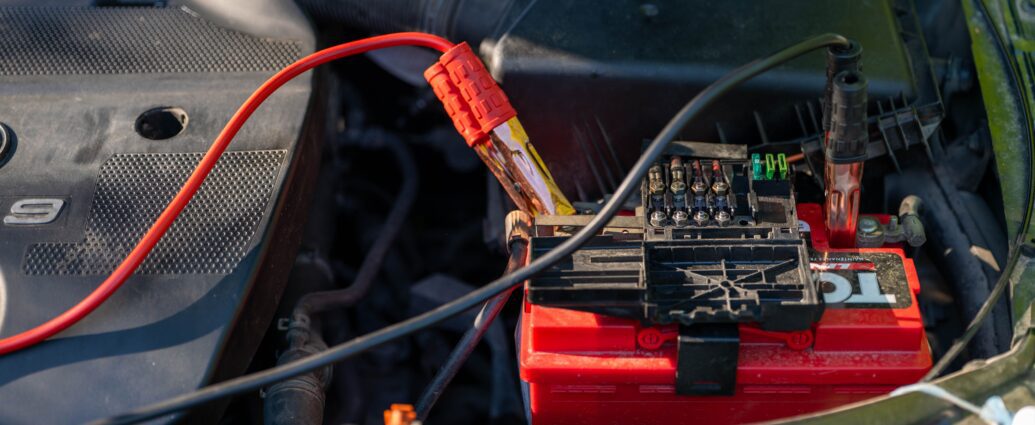
Types of Car Batteries Explained: Everything You Need to Know
Did you know that a dead car battery is the single most common reason drivers call for roadside assistance, accounting for nearly 40% of all breakdown calls according to AAA’s 2024 vehicle breakdown data? Yet most drivers have no idea which type of car battery sits under their hood or whether it is even the right one for their vehicle.
Understanding the types of car batteries is not just useful trivia. It directly affects your vehicle’s performance, your wallet, and how long you go between replacements. The wrong battery can leave you stranded, while the right one can add years of reliable starts to your car’s life.
In this guide you will learn the main types of car batteries available today, how each one works, which vehicles they suit best, how they compare on price and longevity, and exactly how to choose the right one when it is time for a replacement.
Table of Contents
- What Is a Car Battery and Why Does Battery Type Matter
- The Main Types of Car Batteries Explained
- Lead Acid vs AGM vs Lithium Ion: Full Comparison
- How to Choose the Right Car Battery for Your Vehicle
- Car Battery Lifespan, Maintenance, and Replacement Signs
- Frequently Asked Questions
- Conclusion
1. What Is a Car Battery and Why Does Battery Type Matter
A car battery is a rechargeable electrochemical device that stores and delivers the electrical energy needed to start your engine and power your vehicle’s electronics. It is the heart of your car’s electrical system, and every single drive depends on it working correctly.
Battery type matters because not all vehicles have the same electrical demands. A basic sedan from 2005 has a fraction of the power draw of a 2024 hybrid SUV loaded with driver assistance systems, heated seats, and a touchscreen infotainment stack. Using the wrong battery type means poor performance, early failure, and in some cases damage to your vehicle’s sensitive electronics.
The car battery market is also evolving fast. According to a 2024 report by Grand View Research, the global automotive battery market is projected to reach $95.2 billion by 2030, driven heavily by the rise of hybrid and electric vehicles. Knowing your options puts you ahead of most drivers on the road.
2. The Main Types of Car Batteries Explained
There are six primary types of car batteries you will encounter when shopping for a replacement or upgrading your vehicle’s electrical system. Each uses different chemistry, construction, and technology to deliver power.
2.1 Flooded Lead Acid (FLA) Batteries

The flooded lead acid battery is the oldest and most widely used car battery type in the world. It works by submerging lead plates in a liquid electrolyte solution made of water and sulfuric acid. When the battery discharges, a chemical reaction between the plates and the electrolyte produces electrical current.
These batteries are inexpensive, widely available, and compatible with the vast majority of older vehicles. A standard flooded lead acid battery costs between $50 and $120 depending on the brand and group size. The tradeoff is maintenance. They require periodic checks of the electrolyte level and proper ventilation because they release hydrogen gas during charging.
Best for: Older vehicles without start stop technology, budget-conscious drivers, and applications where cost is the primary concern.
2.2 Enhanced Flooded Battery (EFB)
The enhanced flooded battery is an upgraded version of the standard flooded lead acid design. Manufacturers add carbon coatings to the negative plates and use a higher-quality separator material, which roughly doubles the cycle life compared to a standard flooded battery.
EFB batteries handle partial state of charge conditions much better than standard flooded batteries, making them a solid choice for vehicles with basic start stop systems. According to battery manufacturer Exide Technologies, EFB batteries deliver up to two times the cycling performance of conventional flooded batteries in real-world start stop driving conditions.
Best for: Entry-level start stop vehicles, city drivers who experience frequent short trips.
2.3 Absorbent Glass Mat (AGM) Batteries
The AGM battery is currently the most popular premium car battery type on the market. Instead of a liquid electrolyte, AGM batteries use a fiberglass mat saturated with electrolyte that is held tightly between the lead plates. This design completely seals the battery, eliminates liquid spillage risk, and dramatically improves performance under high electrical loads.
AGM batteries can handle three times more cycles than a standard flooded battery, recharge up to five times faster, and deliver stronger cold weather starting power. They are the required battery type for most modern European vehicles, luxury cars, and any vehicle with regenerative braking, advanced start stop technology, or a high-draw accessory package.
Popular brands including Optima, Bosch, and Odyssey offer high-quality AGM options ranging from $150 to $350. You can read more about AGM battery technology and its applications at Battery University’s comprehensive AGM guide.
Best for: Modern vehicles with start stop systems, luxury and European cars, vehicles with large accessory loads.
2.4 Gel Cell Batteries
Gel cell batteries replace the liquid electrolyte with a silica-based gel that immobilizes the electrolyte entirely. This design makes them completely spill-proof and highly resistant to vibration and extreme temperatures. They are also completely maintenance-free.
The main limitation of gel cell batteries is that they require a specific charging profile. A standard alternator can actually overcharge and permanently damage a gel battery if the charging voltage is not regulated correctly. This makes them less common in standard passenger vehicles and more popular in motorcycles, off-road vehicles, marine applications, and industrial equipment.
Best for: Motorcycles, ATVs, marine craft, and specialty vehicles with controlled charging systems.
2.5 Lithium Ion (Li-ion) Car Batteries
Lithium ion car batteries represent the newest technology in the passenger vehicle space. They weigh up to 70% less than an equivalent lead acid battery, hold a charge far longer when not in use, and deliver incredibly consistent power output across a wide temperature range.
The catch is cost. A lithium ion car battery designed for conventional 12-volt vehicle use can cost between $500 and $1,000 or more, which is why adoption remains limited to performance vehicles, racing applications, and premium car enthusiasts looking to reduce weight. For full electric vehicles, a completely different high-voltage lithium ion pack powers the drivetrain rather than the standard 12-volt auxiliary system.
According to a 2023 analysis by the Rocky Mountain Institute, lithium ion battery costs for automotive applications have fallen 89% since 2010, which suggests affordable lithium starting batteries for everyday drivers may be closer than most people expect.
Best for: Performance cars, racing applications, weight-sensitive builds, premium vehicle enthusiasts.
2.6 Calcium Calcium Batteries
Calcium calcium batteries are a variation of the flooded lead acid design where both the positive and negative plates are made from a lead calcium alloy rather than pure lead. The calcium content reduces water loss during charging, lowers self-discharge rates, and makes the battery entirely maintenance-free under normal use.
These batteries are popular as OEM fitments in many mainstream vehicles because they offer a good balance of performance, low maintenance, and affordability. However, they are sensitive to deep discharge. If a calcium calcium battery fully discharges, it may not accept a charge from a standard charger and can suffer permanent capacity loss.
Best for: Mainstream passenger vehicles, drivers who want maintenance-free operation without the premium AGM price.
3. Lead Acid vs AGM vs Lithium Ion: Full Comparison
This is the comparison that matters most for the majority of drivers choosing a car battery today.
| Feature | Flooded Lead Acid | AGM | Lithium Ion |
|---|---|---|---|
| Average Cost | $50 to $120 | $150 to $350 | $500 to $1,000+ |
| Typical Lifespan | 3 to 5 years | 4 to 7 years | 8 to 12 years |
| Weight | Heavy | Moderate | Very Light |
| Maintenance | Yes (electrolyte check) | None | None |
| Spill Risk | Yes | No | No |
| Cold Cranking Performance | Good | Excellent | Excellent |
| Deep Cycle Capability | Low | Moderate | High |
| Start Stop Compatible | No | Yes | Yes |
| Vibration Resistance | Low | High | High |
| Charge Speed | Slow | Fast | Very Fast |
The right choice depends heavily on your vehicle’s requirements. Always check your owner’s manual before purchasing a replacement battery.
3.1 Why AGM Has Become the Standard for Modern Vehicles
The shift toward AGM batteries in new vehicles is not accidental. As automakers add more electronics, driver assistance systems, and fuel-saving start stop technology to meet fuel economy regulations, the electrical demands on the 12-volt battery have grown enormously. A standard flooded battery simply cannot handle hundreds of engine restarts per day in city traffic without degrading rapidly.
The US Department of Energy’s 2023 vehicle technologies report confirms that start stop systems alone can reduce fuel consumption by 5 to 10% in urban driving, which explains why they now appear in roughly 50% of all new vehicles sold in North America.
3.2 When Lithium Ion Makes Sense Beyond Electric Vehicles
For drivers who are not buying an EV but want lithium battery benefits, the primary use case is performance driving. Shaving 20 to 30 pounds from the front of a sports car changes handling balance measurably. Companies like Antigravity Batteries and Braille Battery have built strong reputations supplying lithium starting batteries to the performance and racing community. For a standard commuter car, the cost to benefit ratio does not yet justify the switch.
4. How to Choose the Right Car Battery for Your Vehicle
Choosing the correct car battery comes down to four factors: group size, cold cranking amps, reserve capacity, and battery type compatibility with your vehicle’s charging system.
4.1 Understanding Battery Group Size
Group size refers to the physical dimensions and terminal placement of the battery, standardized by the Battery Council International. Common group sizes include 24, 35, 47, 48, 51R, and 65. Using the wrong group size means the battery may not fit your battery tray, or the terminals may not align correctly with your cables.
You can find your vehicle’s required group size in your owner’s manual, on the existing battery’s label, or by using the fitment tools on retailer websites like AutoZone or Advance Auto Parts.
4.2 Cold Cranking Amps vs Cranking Amps
Cold cranking amps (CCA) measures how much current a battery can deliver for 30 seconds at 0 degrees Fahrenheit while maintaining a voltage above 7.2 volts. This is the number that matters most for cold climate drivers. Cranking amps (CA) is measured at 32 degrees Fahrenheit and will always show a higher number than CCA for the same battery.
Always match or exceed your vehicle manufacturer’s recommended CCA rating. Going significantly higher does no harm, but going lower risks hard starts or no starts on cold mornings.
4.3 Reserve Capacity and Why It Matters
Reserve capacity (RC) measures how long a fully charged battery can deliver 25 amps of current before dropping below 10.5 volts. A higher reserve capacity means your battery can keep your car running longer if the alternator fails, and it handles high electrical loads like heated seats and powerful audio systems more gracefully.
4.4 Matching Battery Type to Your Vehicle’s Charging System
This step is the one most drivers overlook. Modern vehicles with AGM batteries from the factory have their alternator and battery management system calibrated to charge AGM chemistry correctly. Putting a standard flooded battery in such a vehicle will result in the replacement battery being chronically overcharged, shortening its life dramatically.
If your vehicle originally came with an AGM battery, always replace it with an AGM battery. The same principle applies to gel batteries in specialty applications. For more detailed guidance on battery compatibility, the experts at Consumer Reports maintain a regularly updated car battery buying guide that is worth bookmarking.
5. Car Battery Lifespan, Maintenance, and Replacement Signs
The average car battery lasts between three and five years under normal conditions, though premium AGM batteries often reach six to eight years with proper care. Climate is one of the biggest variables. Extreme heat accelerates internal corrosion, while extreme cold reduces the battery’s ability to deliver cranking power.
5.1 Factors That Shorten Battery Life
Several habits quietly destroy car batteries ahead of schedule. Frequent short trips that do not allow the alternator to fully recharge the battery are a leading cause of premature failure. Leaving lights or accessories on when the engine is off drains the battery below its safe threshold. Loose or corroded terminal connections increase internal resistance and reduce charging efficiency. Extreme temperatures, particularly sustained heat above 100 degrees Fahrenheit, are the single largest environmental factor in early battery failure.
5.2 Warning Signs That Your Battery Needs Replacement
Your car battery rarely fails completely without warning. The most reliable signals include slow or labored engine cranking on startup, dashboard warning lights specifically the battery or charging system light, headlights that dim noticeably at idle compared to when the engine is revved, electronics that reset unexpectedly, and a swollen or bloated battery case which indicates internal damage from heat or overcharging.
A battery showing any of these symptoms should be tested immediately at any auto parts store. Most major retailers including O’Reilly Auto Parts and AutoZone offer free battery testing while you wait.
5.3 How to Extend Your Car Battery’s Life
Clean your battery terminals twice a year using a mixture of baking soda and water to remove corrosion buildup. If you park outdoors in extreme climates, consider an insulated battery blanket in winter or a battery maintainer if the vehicle sits unused for extended periods. Avoid running high-draw accessories like air conditioning or seat heaters at full power when the engine is at idle for long periods. The National Institute for Automotive Service Excellence provides detailed battery care guidance for drivers who want to maximize component life.
Frequently Asked Questions
What are the main types of car batteries available today?
The main types of car batteries are flooded lead acid, enhanced flooded battery (EFB), absorbent glass mat (AGM), gel cell, lithium ion, and calcium calcium. Each uses different internal chemistry. AGM is the most common in modern vehicles. Your vehicle’s owner manual specifies which type is compatible with your car.
How long does a car battery last?
Most car batteries last between three and five years. AGM batteries often reach six to eight years. Lifespan depends on climate, driving habits, and battery quality. Extreme heat shortens battery life more than extreme cold. Have your battery tested annually after the three-year mark to catch decline early.
What is the difference between AGM and standard car batteries?
AGM batteries use a fiberglass mat to hold the electrolyte rather than liquid. This makes them spill-proof, faster-charging, and capable of handling far more charge cycles than a standard flooded battery. AGM batteries cost more upfront but last longer and are required for most vehicles with start stop technology.
Can I replace an AGM battery with a regular lead acid battery?
It is not recommended. Vehicles designed for AGM batteries have charging systems calibrated to AGM chemistry. Installing a standard flooded battery in such a vehicle will result in overcharging, which reduces the replacement battery’s lifespan significantly and may cause it to fail within months.
What car battery type is best for cold weather?
AGM batteries deliver the best cold weather performance due to their superior cold cranking amp ratings and resistance to capacity loss in low temperatures. When shopping for a cold climate battery, prioritize a CCA rating that meets or exceeds your vehicle manufacturer’s specification.
How do I know what size car battery I need?
Check your owner’s manual for the battery group size, cold cranking amp requirement, and battery type specification. You can also use the fitment lookup tools on auto parts retailer websites by entering your vehicle’s year, make, and model. The group size tells you the correct physical dimensions and terminal layout.
Are lithium car batteries worth the cost?
For most everyday drivers, no. Lithium car batteries cost five to ten times more than AGM batteries and offer benefits that matter primarily in performance or racing contexts such as reduced weight and extended standby life. For standard commuter vehicles, a quality AGM battery offers the best combination of performance, longevity, and value.
What happens if I use the wrong type of car battery?
Using an incompatible battery type can cause premature failure due to improper charging, damage to your vehicle’s battery management system, poor cold weather starting performance, and in some cases corrosion or swelling of the battery itself. Always verify compatibility with your vehicle’s specifications before purchasing.
Conclusion
Understanding the types of car batteries explained throughout this guide gives you a real advantage the next time you face a replacement decision. The core takeaways are straightforward. First, always match your replacement battery type to what your vehicle’s manufacturer specifies, particularly if your car uses AGM. Second, cold cranking amps and group size are the two most critical specs to get right for reliable performance. Third, spending more on a quality AGM battery almost always delivers better long-term value than choosing the cheapest option on the shelf.
Your car battery is one of the most important components in your vehicle. It is also one of the most overlooked until it fails at the worst possible moment.
Do not wait for that moment. If your battery is more than three years old, have it tested today. And when it is time to replace it, use this guide to make a confident, informed decision.


1 Comment