Did you know that demand for cosmetic eye procedures in the United States jumped by over 38% between 2020 and 2024, according to the American Society of Plastic Surgeons? More and more people are searching for ways to achieve that lifted, elongated eye shape that celebrities and influencers have made famous. The cat eye operation sits at the center of that conversation.
In this guide you will learn exactly what a cat eye operation involves, how the procedure works step by step, what realistic results look like, how much it costs in the US market, what the recovery process feels like, and how to choose the right surgeon. Whether you are in the early research stage or ready to book a consultation, this is the most comprehensive resource available on the topic.
Table of Contents
- What Is a Cat Eye Operation?
- Am I a Good Candidate for Cat Eye Surgery?
- How the Cat Eye Operation Procedure Works
- Cat Shaped Eyes: What Results Actually Look Like
- Cat Eye Operation Cost in the United States
- Recovery Timeline and Aftercare
- Risks and Complications You Should Know
- Cat Eye Surgery vs. Non-Surgical Alternatives
- How to Choose the Right Surgeon
- Frequently Asked Questions
What Is a Cat Eye Operation?

A cat eye operation is a cosmetic surgical procedure designed to lift and elongate the outer corners of the eyes, creating an upswept, almond-shaped appearance that mimics the look of a cat’s eyes. The most common surgical technique used to achieve this is called canthoplasty or canthopexy, and in some cases a lateral brow lift is performed alongside it.
The surgery addresses the lateral canthus, which is the outer corner where the upper and lower eyelids meet. By repositioning or tightening the tissue and tendon at this junction, a skilled surgeon can produce a noticeable upward tilt in the eye shape.
According to a 2024 report from RealSelf, searches for canthoplasty and cat eye procedures increased by 62% over a three year period, making it one of the fastest growing segments in facial cosmetic surgery.
The Difference Between Canthoplasty and Canthopexy
These two terms are often used interchangeably, but they describe different levels of surgical intervention.
Canthopexy is the less invasive of the two. The surgeon tightens and repositions the existing canthal tendon without cutting it. Recovery is faster and the change is more subtle. It is sometimes used as a corrective procedure when the lower eyelid has become loose or droopy due to aging or a previous surgery.
Canthoplasty is more involved. The surgeon actually detaches and then reattaches the canthal tendon at a new, higher position. This produces a more dramatic and longer-lasting result. It is the technique most commonly associated with the cat eye look that patients see on social media.
Understanding which procedure you actually need is one of the most important things to clarify during your consultation. Not every surgeon will be transparent about the difference, so asking directly matters.
Am I a Good Candidate for Cat Eye Surgery?
A good candidate for a cat eye operation is generally a healthy adult with realistic expectations about what the surgery can and cannot achieve.
Surgeons also assess what you hope to achieve. If you want a subtle refinement of the outer corner, canthopexy may be entirely sufficient. If you want a more pronounced upward tilt and a significantly more elongated eye shape, canthoplasty is likely the better option.
People who are not good candidates include those who have very prominent or protruding eyes, since lifting the lower lid in that context can increase eye exposure and lead to dryness or corneal damage. Patients with certain connective tissue disorders may also be advised against the procedure.
A thorough pre-operative evaluation with a qualified surgeon is non-negotiable. Any provider willing to schedule you for surgery without a full consultation and medical history review should be a significant red flag.
Age Considerations
There is no strict age cutoff for cat eye surgery, but most surgeons prefer to operate on patients who are at least 18 years old and whose facial structure has fully matured. In the United States, performing elective cosmetic surgery on minors requires parental consent and is typically approached with significant caution.
On the older end of the spectrum, patients in their 40s, 50s, and beyond sometimes pursue canthoplasty as part of a broader facial rejuvenation plan, often combining it with blepharoplasty (eyelid surgery) or a facelift. Skin laxity and tissue quality are assessed individually in these cases.
How the Cat Eye Operation Procedure Works
The cat eye operation is performed as an outpatient procedure in most cases, meaning you arrive, have the surgery, and go home the same day. It is typically done under local anesthesia with sedation, though some surgeons prefer general anesthesia depending on the complexity of the procedure and patient preference.
Here is a step-by-step breakdown of what typically happens during a canthoplasty.
Step One: Pre-Operative Preparation
On the day of surgery, the surgical area around your eyes is cleaned and the surgeon marks the precise incision points. These markings are crucial because even a millimeter of difference in placement can significantly affect the final result. Many surgeons take photographs and review the surgical plan with the patient one final time at this stage.
Step Two: Anesthesia Administration
Local anesthetic is injected around the eye area to numb the tissue. If you are receiving IV sedation or general anesthesia, that is administered by an anesthesiologist or a certified registered nurse anesthetist (CRNA) before the surgeon begins.
Step Three: The Incision
For canthoplasty, the surgeon makes a small incision at the outer corner of the eye. The incision is carefully placed so that any resulting scar falls in a natural crease or is hidden within the lash line. Through this incision, the surgeon accesses the lateral canthal tendon.
Step Four: Tendon Repositioning
The canthal tendon is released from its current attachment point on the orbital rim (the bony socket surrounding the eye). The surgeon then repositions it at a higher point on the orbital rim and secures it with permanent or long-lasting absorbable sutures. This repositioning is what creates the lifted, upswept appearance.
If canthopexy is being performed instead, the tendon is tightened and reinforced in its current position rather than fully detached and moved.
Step Five: Closure
The incision is closed with fine sutures. The quality of the closure and the surgeon’s technique at this stage significantly affect how visible any scarring will be over the long term.
Total surgical time for a standalone canthoplasty is typically 45 minutes to one and a half hours. If combined with blepharoplasty or other procedures, the time extends accordingly.
Cat Shaped Eyes: What Results Actually Look Like
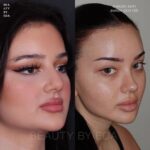
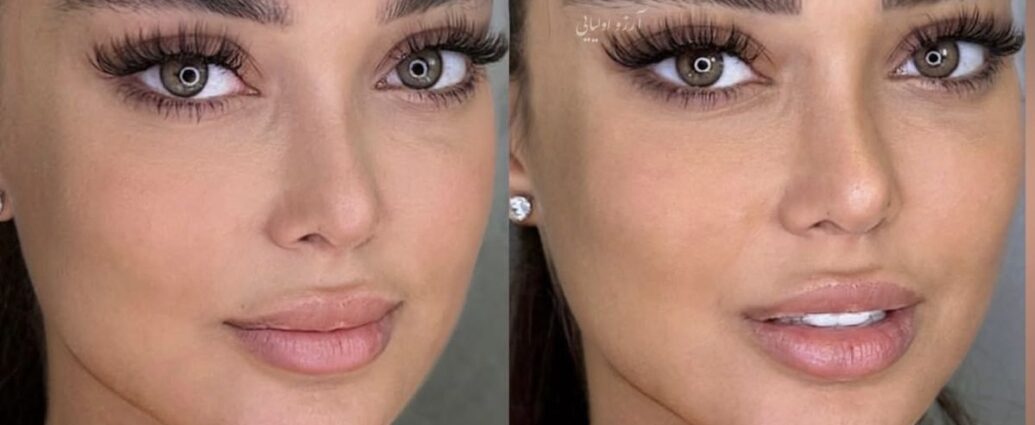
One of the most searched topics in this space is what cat shaped eyes actually look like after surgery, and whether the results people see on social media are realistic or heavily filtered.
The honest answer is that results vary considerably based on your natural eye anatomy, the specific technique used, the skill of your surgeon, and how well your tissue heals. That said, there are some consistent visual outcomes that most patients experience when the procedure is performed well.
The Before and After Reality
Immediately after surgery, your eyes will look swollen, bruised, and in some cases temporarily asymmetrical. This is completely normal and is not a reflection of what your final result will look like. Most of the dramatic swelling resolves within two to three weeks, but subtle swelling can persist for three to six months.
At the three to six month mark, most patients see close to their final result. The outer corners of the eyes sit higher and the eyes appear more elongated. The effect is often described as looking more alert, refreshed, and awake even when the face is at rest.
Before and after photos from reputable surgeons on their official websites or platforms like RealSelf are your best resource for calibrating expectations. Look for photos taken at least six months post-surgery for the most accurate representation of long-term results.
How Cat Eye Surgery Compares to the Fox Eye Look
The fox eye aesthetic popularized on social media around 2020 and 2021 describes a very similar look to what cat eye surgery produces: an elongated, upswept eye shape with minimal visible upper eyelid hood. The terms are often used interchangeably in the cosmetic surgery world, though some practitioners make a subtle distinction.
Fox eye procedures sometimes involve a thread lift of the brow tail in addition to the canthal repositioning. Cat eye surgery typically focuses more specifically on the lateral canthus itself. In practice, the visual result overlaps significantly.
The Role of Natural Eye Shape
Your pre-existing eye shape influences what the surgery can realistically achieve. Patients with downward-slanting eye corners (negative canthal tilt) often see the most dramatic transformation. Patients whose eyes already have a neutral or slightly positive canthal tilt may see a more subtle change.
People with monolid or double eyelid anatomy can both be candidates, though the surgical planning differs. An experienced surgeon will tailor the approach to your specific anatomy rather than applying a one-size-fits-all technique.
Cat Eye Operation Cost in the United States
Cat eye operation cost in the US varies widely depending on geographic location, surgeon experience, facility fees, anesthesia fees, and whether the procedure is combined with others.
Based on data from the American Society of Plastic Surgeons and aggregated pricing from platforms like RealSelf in 2024, here is a general breakdown of what patients typically pay.
Procedure Type and Average Cost Range in the United States
Canthopexy (stand-alone): $2,500 to $5,000 Canthoplasty (stand-alone): $3,500 to $8,000 Canthoplasty with blepharoplasty: $6,000 to $15,000 Canthoplasty with fox eye thread lift combination: $4,000 to $10,000
These figures represent total out-of-pocket costs and include surgeon fees, anesthesia, and facility fees. They do not include pre-operative consultations, post-operative medications, or any revision procedures if needed.
Major metropolitan areas like New York City, Los Angeles, Miami, and San Francisco tend to sit at the higher end of these ranges. Surgeons in mid-size cities and the Midwest often charge 20 to 30 percent less for equivalent quality.
Does Insurance Cover Cat Eye Surgery?
In almost all cases, no. Elective cosmetic surgery is not covered by health insurance plans in the United States. The only exception would be if the procedure is being performed for reconstructive reasons, such as correcting a lid malposition (ectropion or entropion) that is causing a functional problem like chronic irritation or inability to fully close the eye. In those cases, a portion of the cost may be covered, and the procedure is typically performed by an oculoplastic surgeon.
Some practices offer financing options through companies like CareCredit or Alphaeon Credit, which allow patients to pay for the procedure over time with interest-free or low-interest payment plans.
Hidden Costs to Budget For
Many patients focus only on the surgeon’s quoted fee and are surprised by additional expenses. Pre-operative lab work and consultations can add $200 to $500. Prescription medications for pain management and infection prevention typically cost $50 to $150. Time off work for recovery is a real economic cost that varies by occupation. If revision surgery is ever needed, that represents another full surgical expense unless your surgeon provides a revision policy.
Always ask for a fully itemized cost estimate during your consultation before making any financial commitments.
Recovery Timeline and Aftercare
Recovery from a cat eye operation follows a fairly predictable pattern, though individual experiences vary based on overall health, the extent of the procedure, and how well post-operative instructions are followed.
The First 48 Hours
The first two days after surgery are typically the most uncomfortable. You can expect significant swelling and bruising around both eyes. Some patients describe their eyes as feeling tight, dry, or gritty. Vision may be temporarily blurry due to swelling and any ointments applied to the eye area. Cold compresses applied gently (never directly on the eye) help reduce swelling. Most patients are prescribed a combination of pain medication and antibiotic drops or ointment during this period.
You should plan to rest with your head elevated during this phase. Do not bend over, lift anything heavy, or do anything that increases blood pressure to the head.
Week One
By the end of the first week, most of the acute swelling begins to subside and bruising typically turns from purple to yellow as it fades. Sutures are usually removed at the five to seven day mark. You will likely still look noticeably swollen to other people, and most patients prefer to stay home from public-facing work during this period.
Showering is usually permitted after 48 hours, but getting water directly on the surgical area should be avoided for at least a week. Eye makeup is off-limits for two to three weeks minimum.
Weeks Two Through Four
During weeks two through four, swelling continues to resolve and most patients feel comfortable returning to desk work and light daily activities. You should still avoid strenuous exercise, swimming, and anything that causes significant eye strain or head pressure.
Contact lens wearers typically need to wait four to six weeks before resuming lens use.
Three to Six Months
The final result becomes visible in this window. The outer corners of the eyes settle into their new position, residual swelling fully resolves, and any incision scars fade significantly. Most people report being very satisfied with their results at this stage.
Sun protection over the incision areas is important during this entire period. UV exposure can cause scars to darken and become more noticeable.
Risks and Complications You Should Know
Every surgical procedure carries risks, and the cat eye operation is no exception. Being fully informed about potential complications is a critical part of giving genuine informed consent.
The most common minor complications include temporary asymmetry (very common in the early healing period), prolonged swelling, bruising, and mild discomfort. These typically resolve on their own.
More serious but less common complications include infection at the incision site, which is treated with antibiotics. Scarring that is more visible than expected can sometimes require additional treatment with silicone sheets, steroid injections, or laser therapy.
The most medically significant risk specific to this type of procedure is dry eye syndrome. By repositioning the lower eyelid, the procedure can alter how the eyelid distributes the tear film across the cornea. Patients with pre-existing dry eye are at higher risk for this complication. Severe or untreated dry eye following canthoplasty can in rare cases lead to corneal damage.
Revision surgery is sometimes necessary. According to a 2023 analysis published in the journal Aesthetic Surgery Journal, revision rates for canthoplasty procedures range from 5 to 12 percent depending on the technique and the complexity of the original anatomy. The most common reasons for revision include recurrence of the original lid position (especially if the tendon did not heal in the new position) or persistent asymmetry.
Choosing a highly experienced, board-certified surgeon significantly reduces the risk of complications and revision. This is not a procedure to seek out the lowest price for.
Cat Eye Surgery vs. Non-Surgical Alternatives
Not everyone is ready for surgery, and the good news is that there are non-surgical options that can approximate some aspects of the cat eye look, though with more limited and temporary results.
Thread Lifts for the Eye Area
A fox eye or cat eye thread lift uses fine, barbed PDO (polydioxanone) threads inserted under the skin at the outer brow and temple area to mechanically lift the tail of the brow and the outer corner of the eye. The procedure takes 30 to 45 minutes, requires no incisions, and has minimal downtime.
Results typically last 12 to 18 months as the threads are gradually absorbed by the body. The degree of lift is less dramatic than surgical canthoplasty. Threads are best for patients with mild sagging who want a preview of what a surgical result might look like, or for those who are not ready for surgery.
Botox for the Cat Eye Effect
Strategic placement of botulinum toxin (Botox, Dysport, or Xeomin) can create a subtle lifting effect at the outer brow. By injecting into the orbicularis oculi muscle just below the tail of the brow, the injection releases downward pull and allows the brow and outer eye corner to lift slightly.
This approach is highly technique-dependent. In the wrong hands it can cause drooping, not lifting. Results last three to four months. It is best viewed as a subtle enhancement rather than a true replacement for surgery.
Makeup Techniques
For those who simply want to explore the aesthetic look without any procedures, cat eye makeup techniques remain the most accessible option. A well-executed cat eye liner with upswept application at the outer corner, combined with lifted eyelash curling and strategic contouring at the brow tail, can dramatically change the perceived shape of the eyes. This is of course completely temporary and requires daily application.
Comparison of Cat Eye Approaches
Approach, Duration of Results, Invasiveness, Average Cost in US, Best For
Canthoplasty surgery: Permanent to very long-lasting, Surgical, $3,500 to $8,000, Those wanting dramatic and lasting change Canthopexy surgery: Long-lasting (several years), Surgical, $2,500 to $5,000, Those wanting subtle correction PDO thread lift: 12 to 18 months, Minimally invasive, $1,200 to $3,000, Non-surgical preview or mild laxity Botox lateral brow lift: 3 to 4 months, Non-invasive injection, $300 to $600, Very subtle enhancement Cat eye makeup: Same day only, Non-invasive, $5 to $50, Exploring the aesthetic risk-free
How to Choose the Right Surgeon
Choosing the right surgeon for a cat eye operation may be the single most important decision in the entire process. The periorbital region (around the eyes) is one of the most technically demanding areas of cosmetic surgery, and the consequences of a poorly executed procedure can be both medically and aesthetically serious.
Board Certification and Specialty
In the United States, the surgeons most qualified to perform canthoplasty are board-certified plastic surgeons certified by the American Board of Plastic Surgery (ABPS) and oculoplastic surgeons certified by the American Board of Ophthalmology with subspecialty training in ophthalmic plastic and reconstructive surgery (ASOPRS members).
Oculoplastic surgeons have the advantage of deep training in eyelid anatomy and function. Plastic surgeons with significant facial focus also perform excellent work. The critical factor is volume: how many of these specific procedures does the surgeon perform per year?
Reading verified patient reviews on platforms like RealSelf, Healthgrades, and Zocdoc can also give you a realistic sense of other patients’ experiences with a specific surgeon.
Frequently Asked Questions
What is a cat eye operation?
A cat eye operation is a cosmetic surgical procedure that lifts and elongates the outer corners of the eyes using a technique called canthoplasty or canthopexy. It repositions the lateral canthal tendon to create an upswept, almond-shaped eye appearance.
How long do cat eye surgery results last?
Canthoplasty results are generally long-lasting and in many cases considered permanent. The repositioned canthal tendon integrates into the new position over time. Some gradual relaxation can occur with age, but significant reversal is uncommon when the procedure is performed correctly.
Is the cat eye operation painful?
During the procedure itself you feel no pain because local anesthesia or sedation is used. In the days following surgery most patients describe the discomfort as mild to moderate and manageable with prescribed pain medication. The tight or gritty sensation around the eyes is usually more bothersome than outright pain.
What is the difference between canthoplasty and canthopexy?
Canthoplasty involves detaching and reattaching the canthal tendon at a higher position. It produces more dramatic results. Canthopexy tightens the existing tendon without fully detaching it, producing more subtle results with a faster recovery.
How much does a cat eye operation cost in the US?
A standalone canthoplasty in the United States typically costs between $3,500 and $8,000. Canthopexy ranges from $2,500 to $5,000. These figures include surgeon fees, anesthesia, and facility fees. The procedure is almost never covered by insurance.
Can cat eye surgery cause dry eyes?
Yes, this is one of the known risks. Patients with pre-existing dry eye syndrome face a higher risk. A thorough pre-operative evaluation should assess your baseline tear production and eye health.
How long is recovery from cat eye surgery?
Most patients feel ready to return to light daily activities within one to two weeks. Significant swelling and bruising resolve within two to three weeks. Final results are visible at three to six months as residual swelling fully clears.
What is the fox eye surgery and how is it different from cat eye surgery?
Fox eye surgery and cat eye surgery describe very similar procedures with overlapping visual goals. The fox eye look gained popularity on social media around 2020 and emphasizes an extreme lateral lift. It sometimes combines a PDO thread lift at the brow with canthal repositioning. Cat eye surgery tends to focus more specifically on the lateral canthus. In practice, many surgeons use the terms interchangeably.
Conclusion
A cat eye operation is a powerful cosmetic procedure that can meaningfully transform the shape and appearance of the eyes for patients who are good candidates. Understanding the difference between canthoplasty and canthopexy, having realistic expectations about results, knowing the full cost picture, preparing for recovery, and most importantly choosing a highly qualified surgeon are the pillars of a positive outcome.
If you are considering this procedure, the most important next step is scheduling a consultation with a board-certified plastic surgeon or oculoplastic surgeon who performs canthoplasty regularly. Bring your questions, ask to see their patient photos, and take the time to feel genuinely confident in your provider before moving forward.