More than 8 in 10 American households took part in some kind of lawn or garden activity in 2023, according to the National Gardening Association’s 2024 National Gardening Survey. That is a lot of people pulling weeds, planting tomatoes, and asking Google the same handful of questions at 11pm. If you have ever typed “why are my tomato leaves turning yellow” into a search bar, you are in good company.
This guide answers the top gardening FAQs that beginner and intermediate gardeners search for most often across the United States. You will not find vague theory here. Every answer is written the way an experienced grower would explain it to a neighbor over the fence.
In this guide you’ll learn the fundamentals of starting a garden, how to build healthy soil, when and how to water, the real rules of vegetable gardening for beginners, how to choose flowers that actually survive, the pros and cons of container gardening, and how to spot the pests and mistakes that kill more plants than any drought ever will. You can read another of our guides here about soil hardness and tools required for basic gardening.
Table of Contents
- Getting Started: Gardening Basics for Beginners
- Soil, Fertilizer, and Plant Nutrition FAQs
- Watering, Weather, and Seasonal Care
- Vegetable and Fruit Gardening for Beginners
- Flower and Ornamental Gardening FAQs
- Container, Raised Bed, and Small-Space Gardening
- Pests, Diseases, and Common Gardening Mistakes
- Quick-Answer FAQ Recap
- Conclusion
1. Getting Started: Gardening Basics for Beginners
Starting a garden comes down to three decisions made before you ever touch a shovel: where the sun falls, what your soil is like, and what you actually have time to maintain. Get those three right and almost everything else is fixable.
What is the easiest way to start a garden as a beginner?
The easiest way to start a garden is small. Pick one 4-by-4-foot bed or a few containers, choose three to five easy plants, and master those before expanding. Beginner gardening tips almost always repeat this same advice because oversized first-year gardens are the number one reason new gardeners quit by August. Start with lettuce, bush beans, marigolds, and cherry tomatoes. They forgive mistakes and reward attention within weeks, which builds the confidence to try harder plants next season.
When is the best time of year to start gardening?
The best time to start gardening depends on your USDA Plant Hardiness Zone, but most of the continental United States can begin outdoor planting between late March and mid-May, after the last frost date. Cool-season crops like spinach, peas, and lettuce can go in three to four weeks before that date. Warm-season plants like tomatoes and peppers need soil that has warmed to at least 60°F. You can find your zone and average last frost date on the USDA’s official Plant Hardiness Zone Map.
How much sunlight does a garden need?
Most vegetables and flowering plants need six to eight hours of direct sunlight daily, a category gardeners call “full sun.” Leafy greens and many shade-tolerant perennials can manage with four hours. Before planting anything, spend one full day watching a spot from sunrise to sunset and count the hours of direct light. This single habit prevents more disappointment than any fertilizer or pesticide ever could.
Do I need a lot of space to have a real garden?
No. A real, productive garden can fit in a 10-square-foot raised bed, a cluster of five-gallon containers, or even a sunny balcony rail. The 2024 National Gardening Survey found that container gardening has grown sharply as average lot sizes shrink and more Americans live in multi-family housing. Yield per square foot, not total acreage, is what determines success.
What tools does a beginner gardener actually need?
A beginner needs far fewer tools than garden centers suggest. The essentials are a hand trowel, a pair of pruning shears, a sturdy garden fork or spade, a watering can or hose with an adjustable nozzle, and gloves. Everything else, from kneeling pads to soil thermometers, is optional convenience rather than necessity.
How long does it take to see results from gardening?
Radishes and lettuce can be harvested in three to four weeks. Bush beans and cucumbers typically take six to eight weeks. Tomatoes and peppers usually need 60 to 85 days from transplant to first harvest. Perennial flowers may not bloom fully until their second year, which is why patience is as important a gardening skill as watering technique.
Is gardening expensive to start?
Gardening can start cheap or expensive depending on choices. A basic raised bed with quality soil, seeds, and hand tools can cost under $150 for a first season. According to gardening industry spending data, the average American household spent over $600 annually on lawn and garden goods in recent years, but that figure includes landscaping, lawn equipment, and decor, not the modest cost of a beginner vegetable patch.
2. Soil, Fertilizer, and Plant Nutrition FAQs
Soil health determines roughly 80 percent of gardening success, more than sunlight, watering schedule, or plant variety combined. Understanding what is actually in your dirt is the fastest way to stop guessing and start growing.
How do I know if my soil is good for gardening?
Good garden soil is dark, crumbly, and holds together loosely when squeezed, then breaks apart easily when poked. A simple jar test tells you your soil type: fill a clear jar one-third with soil, add water, shake, and let it settle for 24 hours. The layers that form reveal your ratio of sand, silt, and clay. Most vegetables prefer loamy soil, a balanced mix of all three.
What is the difference between topsoil, compost, and potting mix?
Topsoil is the natural upper layer of ground soil, compost is decomposed organic matter used to enrich soil, and potting mix is a soilless blend of peat, bark, and perlite designed specifically for containers. Using garden topsoil in a pot compacts quickly and drowns roots, while potting mix in an open garden bed dries out too fast. Match the medium to where it will be used.
How often should I fertilize my garden?
Most vegetable gardens need fertilizing every four to six weeks during the growing season, though exact timing depends on the fertilizer type and soil test results. Slow-release granular fertilizers can be applied once at planting and again at mid-season. Liquid fertilizers act faster but need more frequent reapplication, often every two weeks. Over-fertilizing is more common than under-fertilizing and can burn roots or produce lush leaves with little fruit.
What is the difference between organic and synthetic fertilizer?
Organic fertilizer comes from natural sources like compost, manure, or bone meal and releases nutrients slowly as soil microbes break it down. Synthetic fertilizer is chemically manufactured to deliver nutrients immediately in precise ratios. Organic gardening tips generally favor organic fertilizer because it also improves soil structure over time, while synthetic options offer faster, more measurable results for gardeners correcting a specific deficiency.
Do I need to test my soil pH?
Testing soil pH is one of the highest-value five-minute tasks in gardening. Most vegetables and flowers thrive between pH 6.0 and 7.0, a slightly acidic to neutral range. A pH outside that window locks up nutrients even if they are present in the soil, which is why plants can look starved despite regular fertilizing. Home test kits or a local extension office soil test, often available through land-grant universities like those in the Cooperative Extension System, will confirm your number.
What is composting and is it necessary?
Composting is the controlled decomposition of food scraps, yard waste, and other organic material into a nutrient-rich soil amendment. It is not strictly necessary, but it is one of the most cost-effective ways to improve soil long term, since it adds organic matter, improves drainage in clay soil, and improves water retention in sandy soil. A basic backyard compost bin needs only a mix of “greens” like vegetable scraps and “browns” like dry leaves, turned occasionally.
Can I use eggshells and coffee grounds as fertilizer?
Eggshells and coffee grounds can be added to compost or soil but they are not complete fertilizers. Eggshells break down slowly and add calcium over months, not weeks. Coffee grounds add a small amount of nitrogen and are best composted first rather than applied directly, since fresh grounds can temporarily tie up nitrogen as they decompose. Neither replaces a balanced fertilizer program.
3. Watering, Weather, and Seasonal Care
Overwatering, not underwatering, is the leading cause of houseplant and container plant death among beginner gardeners. Learning to read soil moisture rather than following a fixed schedule solves most watering problems.
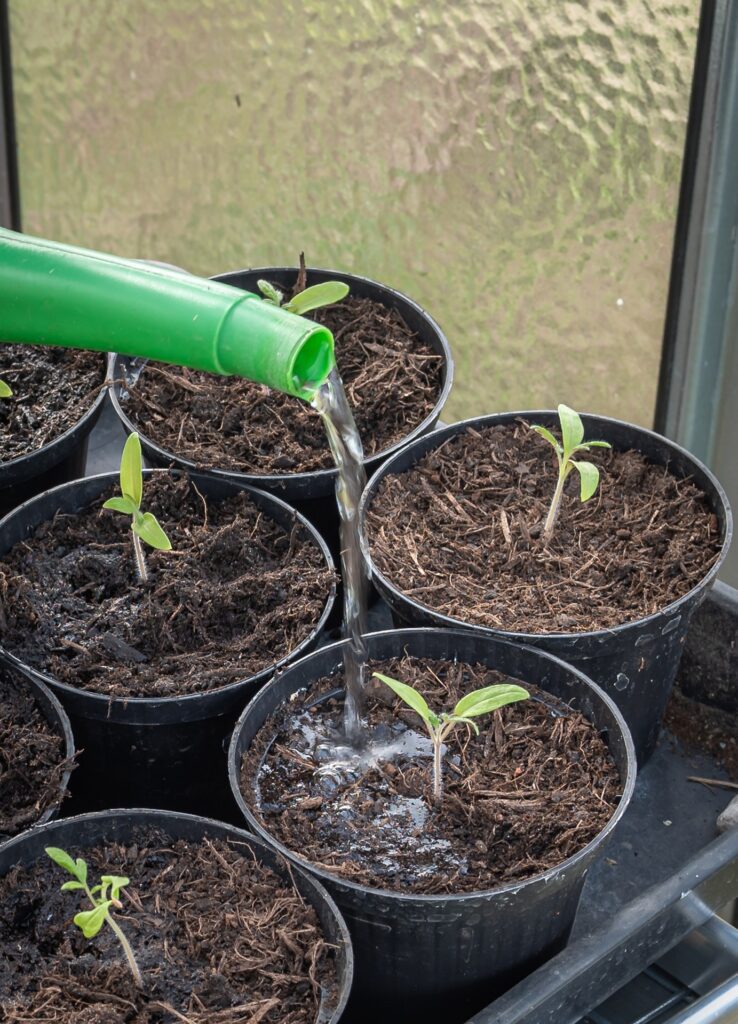
How often should I water my garden?
Most in-ground vegetable gardens need about one inch of water per week, including rainfall, delivered in one or two deep sessions rather than daily shallow sprinkles. Container plants dry out faster and may need water every one to three days in summer heat. The most reliable method is the finger test: insert a finger two inches into the soil, and water only when it feels dry at that depth.
What is the best time of day to water plants?
Early morning, between 6am and 9am, is the best time to water plants. Morning watering lets foliage dry before nightfall, which reduces fungal disease, and it also reduces water lost to evaporation compared with midday watering. Evening watering is the second-best option but leaves foliage wet overnight in cooler climates, which can encourage mildew.
How do I know if I am overwatering or underwatering?
Overwatered plants often show yellowing leaves, soft or mushy stems, and a soil surface that stays wet for days. Underwatered plants show crispy brown leaf edges, wilting that does not recover overnight, and soil that pulls away from the pot’s edge. Because both problems can cause wilting, always check soil moisture before adding more water.
What should I do to prepare my garden for winter?
Preparing a garden for winter involves clearing dead annual plants, cutting back perennials after the first hard frost, adding a two to three inch layer of mulch to insulate roots, and disconnecting and draining hoses before freezing temperatures arrive. In colder USDA zones, tender bulbs like dahlias should be dug up and stored indoors over winter.
Can I garden year-round in the United States?
Year-round gardening is possible in USDA zones 9 through 11, covering much of the Gulf Coast, Florida, and Southern California, where frost is rare or absent. Gardeners in colder zones can extend their season using cold frames, row covers, or indoor seed starting under grow lights, but true outdoor year-round growing generally requires a frost-free or near frost-free climate.
How does climate affect what I can grow?
Climate determines your growing season length, frost dates, and which plants will survive winter outdoors, all summarized by your USDA Hardiness Zone number. A zone 5 gardener in Minnesota and a zone 9 gardener in Georgia cannot follow the same planting calendar even for identical vegetables. Always check seed packets and plant tags against your specific zone before planting.
What is mulch and why do gardeners use it?
Mulch is a protective layer of material, organic or inorganic, spread over soil to conserve moisture, suppress weeds, and moderate soil temperature. Organic options like shredded bark, straw, and compost also improve soil as they break down. A two to three inch layer is standard; piling mulch directly against plant stems can trap moisture and invite rot.
4. Vegetable and Fruit Gardening for Beginners
Vegetable gardening for beginners succeeds or fails based on plant selection more than any other single factor. Choosing varieties suited to your climate and skill level removes most of the guesswork.
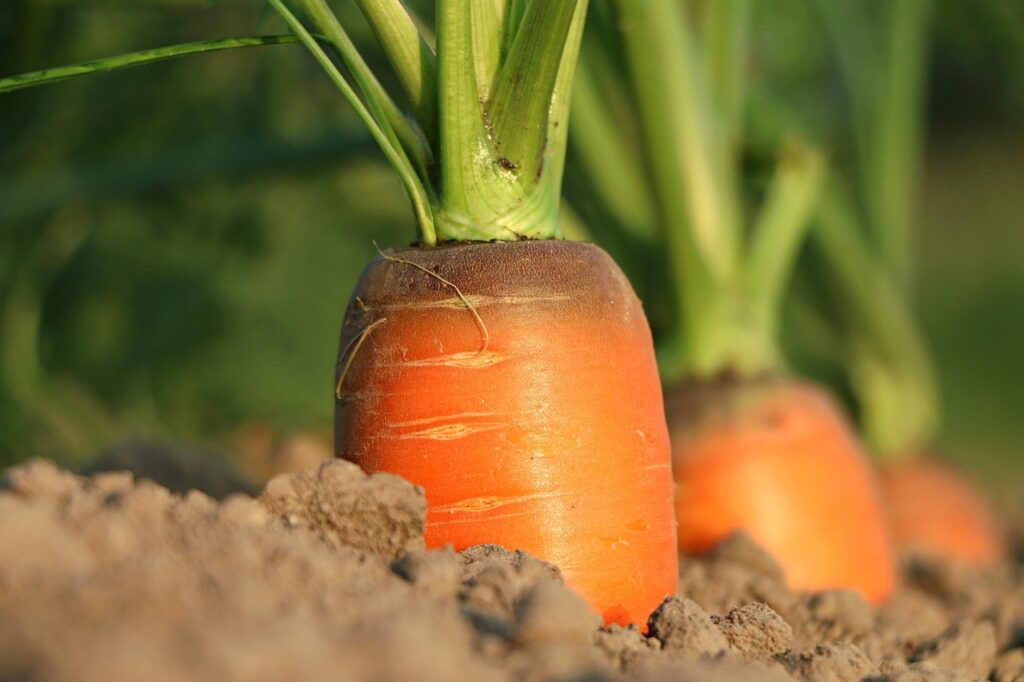
What are the easiest vegetables to grow for beginners?
The easiest vegetables for beginners are bush beans, radishes, zucchini, lettuce, and cherry tomatoes. These plants tolerate minor watering inconsistencies, resist common pests reasonably well, and produce visible results quickly, which keeps new gardeners motivated. Tomatoes remain the single most popular vegetable grown in American gardens, appearing in the vast majority of home food gardens nationwide.
How far apart should I plant vegetables?
Spacing depends on the specific vegetable, but a general rule is to follow the distance printed on the seed packet, since crowding is one of the most common beginner mistakes. Tomatoes generally need 24 to 36 inches between plants, bush beans need 4 to 6 inches, and lettuce can be spaced as close as 6 to 8 inches. Proper spacing improves airflow, which directly reduces fungal disease risk.
Can vegetables and fruit be grown together in the same garden?
Vegetables and fruit can absolutely share the same garden space, and many experienced growers use companion planting to their advantage. Strawberries make excellent low-growing borders along vegetable beds, while dwarf fruit trees can anchor a garden’s structure without shading out sun-loving vegetables if placed on the north side of the bed.
How do I know when to harvest my vegetables?
Harvest timing varies by crop, but most vegetables signal readiness through color, size, and firmness. Tomatoes should be harvested when fully colored but still firm. Zucchini is best picked at 6 to 8 inches long, since oversized zucchini turns tough and seedy. Leafy greens can be harvested continuously by removing outer leaves while the center keeps growing.
What is companion planting and does it really work?
Companion planting is the practice of growing certain plants near each other to improve pest control, pollination, or growth. Classic pairings like tomatoes with basil or the “Three Sisters” method of corn, beans, and squash have centuries of traditional use and some scientific support, particularly for pest deterrence and efficient space use, though results vary by region and are not guaranteed like a fertilizer application.
Do I need to rotate my crops each year?
Crop rotation, or avoiding planting the same vegetable family in the same soil year after year, meaningfully reduces the buildup of soil-borne diseases and pest populations. A simple three or four-year rotation between plant families such as nightshades, legumes, and brassicas is enough for most backyard-scale vegetable gardens.
How do I start vegetables from seed indoors?
Starting seeds indoors involves sowing seeds in trays or small pots under grow lights or a bright south-facing window, six to eight weeks before your area’s last frost date. Keep soil consistently moist but not soggy, maintain temperatures around 65 to 75°F, and gradually acclimate seedlings to outdoor conditions over seven to ten days, a process called hardening off, before transplanting.
Why are my tomato leaves turning yellow?
Yellowing tomato leaves usually point to one of three causes: inconsistent watering, nitrogen deficiency, or early blight, a fungal disease that starts with yellow spotted lower leaves. Check soil moisture first, since it is the easiest variable to fix, then inspect for the dark concentric rings characteristic of blight before assuming a nutrient problem.
What is the difference between determinate and indeterminate tomatoes?
Determinate tomatoes grow to a fixed height, produce fruit within a shorter window, and suit gardeners who want a concentrated harvest for canning. Indeterminate tomatoes keep growing and producing until frost, need staking or caging, and suit gardeners who prefer a steady trickle of fresh tomatoes all season. Seed packets and plant tags always specify which type you are buying.
5. Flower and Ornamental Gardening FAQs
Flower gardening rewards planning around bloom time as much as color, since a garden of only spring bulbs looks empty by July.
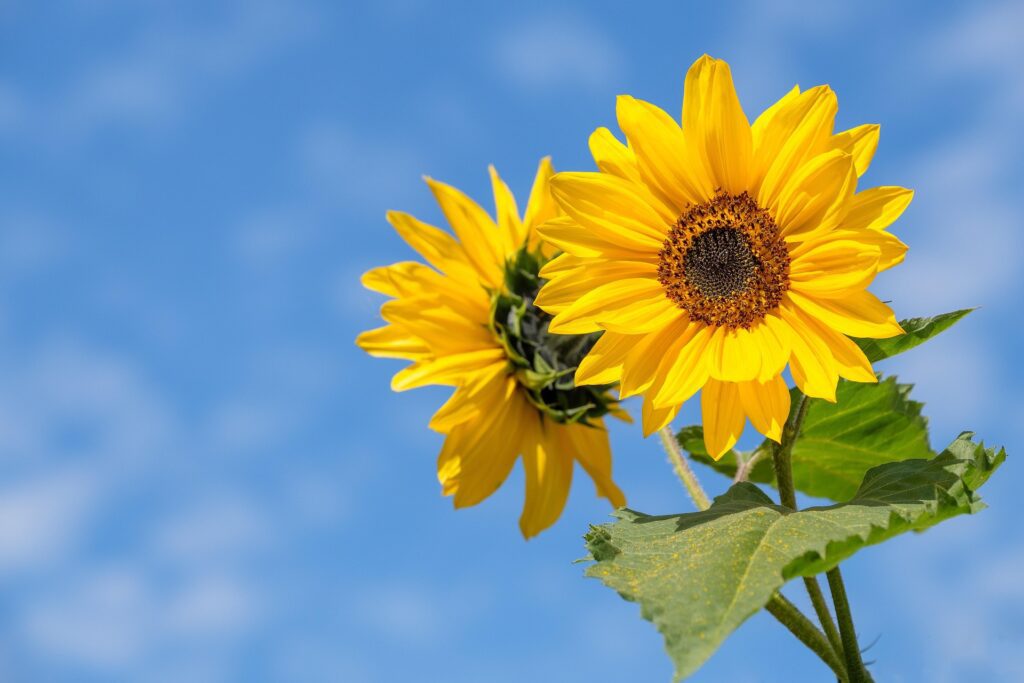
What are the easiest flowers to grow for beginners?
Marigolds, zinnias, sunflowers, and cosmos are considered the easiest flowers for beginners because they germinate reliably from seed, tolerate average soil, and bloom for months with minimal deadheading. These annuals also attract pollinators, which benefits any nearby vegetable garden through improved fruit set.
What is the difference between annuals and perennials?
Annual flowers complete their entire life cycle, from seed to bloom to death, in a single growing season and must be replanted every year. Perennial flowers regrow from the same root system for multiple years, often with a shorter bloom window each season. A balanced flower bed typically combines both, using perennials for structure and annuals for continuous color.
How do I keep flowers blooming all summer?
Deadheading, the practice of removing spent blooms before they set seed, is the single most effective way to extend flowering, since it redirects the plant’s energy back into producing new flowers instead of seeds. Regular fertilizing with a bloom-boosting formula and consistent watering during dry spells also extend bloom time significantly.
Which flowers attract pollinators like bees and butterflies?
Native wildflowers, lavender, coneflower, bee balm, and milkweed are among the most reliable pollinator magnets in North American gardens. Milkweed in particular is the only host plant monarch butterfly caterpillars can eat, making it a priority plant for gardeners interested in pollinator conservation, a trend the National Gardening Association has noted is growing quickly among younger gardeners converting lawn space into wildflower plantings.
How much do I need to prune flowering shrubs?
Pruning needs depend entirely on species and bloom timing. Shrubs that bloom on new wood, like butterfly bush, can be pruned hard in early spring. Shrubs that bloom on old wood, like lilac, should be pruned immediately after flowering to avoid cutting off next year’s buds. Pruning at the wrong time is a common reason flowering shrubs fail to bloom.
Can I grow flowers in the same bed as vegetables?
Flowers and vegetables can share a bed successfully and often benefit each other. Marigolds are commonly planted among vegetables for pest-deterrent properties, and taller flowers like sunflowers can provide light afternoon shade for heat-sensitive greens. The main consideration is matching sunlight and watering needs so neither plant group is shortchanged.
Why won’t my flowering plant bloom?
A flowering plant that refuses to bloom usually suffers from one of four issues: insufficient sunlight, excess nitrogen fertilizer that promotes leaves over flowers, incorrect pruning timing, or simple immaturity in young perennials that may need a full season or two to establish before flowering heavily.
6. Container, Raised Bed, and Small-Space Gardening
Container gardening and raised bed gardening have both grown rapidly as average American lot sizes shrink, giving apartment dwellers and small-yard homeowners a real path into food and flower growing.
What is the difference between container gardening, raised beds, and in-ground gardening?
| Feature | Container Gardening | Raised Bed Gardening | In-Ground Gardening |
|---|---|---|---|
| Best for | Patios, balconies, renters | Small to medium yards | Larger yards with good native soil |
| Soil control | Full control, potting mix | High control, custom soil blend | Limited, depends on existing soil |
| Startup cost | Low to moderate | Moderate to high | Low |
| Watering frequency | High, dries out fastest | Moderate | Lowest, retains moisture longest |
| Mobility | Fully portable | Fixed in place | Fixed in place |
| Drainage | Excellent if drilled properly | Excellent | Depends on native soil type |
Do containers need drainage holes?
Containers absolutely need drainage holes. Without them, excess water pools at the bottom, suffocates roots, and leads to root rot within days, regardless of how careful the watering schedule is. If a decorative pot lacks holes, use it as an outer cover for a properly drained inner pot rather than planting directly into it.
What size container do vegetables need?
Container size needs vary by plant. Herbs and lettuce can thrive in containers as small as one gallon. Tomatoes and peppers need at least five gallons, and ideally ten to fifteen gallons for full-size tomato varieties, since undersized containers restrict root growth and dramatically reduce yield and drought tolerance.
How deep should a raised bed be?
Most raised beds should be at least 8 to 12 inches deep for shallow-rooted crops like lettuce and herbs, and 12 to 18 inches deep for deep-rooted crops like tomatoes, carrots, and potatoes. Deeper beds also drain better and warm up faster in spring than native ground soil, extending the growing season by one to two weeks in cooler climates.
What should I fill a raised bed with?
A reliable raised bed fill is a blend of roughly 60 percent high-quality topsoil, 30 percent compost, and 10 percent aeration material like perlite or coarse sand. This blend, sometimes called Mel’s Mix in square foot gardening circles, drains well while retaining enough moisture and nutrients for vigorous vegetable growth.
Can I do container gardening indoors year-round?
Indoor container gardening is possible year-round for herbs, leafy greens, and some dwarf vegetable varieties, provided plants receive at least six hours of bright light daily, either from a south-facing window or a supplemental grow light. Fruiting vegetables like tomatoes generally need far more light intensity than most homes provide naturally, which is why grow lights matter more indoors than outdoors.
Is container gardening more expensive than in-ground gardening?
Container gardening typically costs more per square foot upfront because of pot purchases and potting mix, but it often costs less overall for renters, since there is no need to amend problematic native soil and containers can move with you. In-ground gardening usually wins on cost per square foot for gardeners who already own suitable land.
How do I stop containers from drying out so fast in summer heat?
Grouping containers together, using larger pots, mulching the soil surface, and choosing glazed ceramic or plastic pots over unglazed terracotta all slow moisture loss significantly. Self-watering containers with a built-in reservoir are another practical option for gardeners who cannot water daily during peak summer heat.
7. Pests, Diseases, and Common Gardening Mistakes
Most gardening failures trace back to a small set of repeatable mistakes rather than bad luck, which means they are almost entirely preventable once identified.
What are the most common beginner gardening mistakes?
The most common beginner gardening mistakes are overwatering, planting too early before the last frost, spacing plants too closely, ignoring soil quality, and starting with a garden too large to maintain consistently. Any one of these can undo an otherwise well-chosen plant selection.
How do I get rid of garden pests naturally?
Natural pest control options include handpicking larger pests like caterpillars, spraying insecticidal soap on soft-bodied insects like aphids, introducing beneficial insects like ladybugs, and using row covers to physically block pests before egg-laying begins. Rotating crops and keeping the garden free of decaying plant debris also reduces pest habitat considerably.
What are the most common garden pests in the United States?
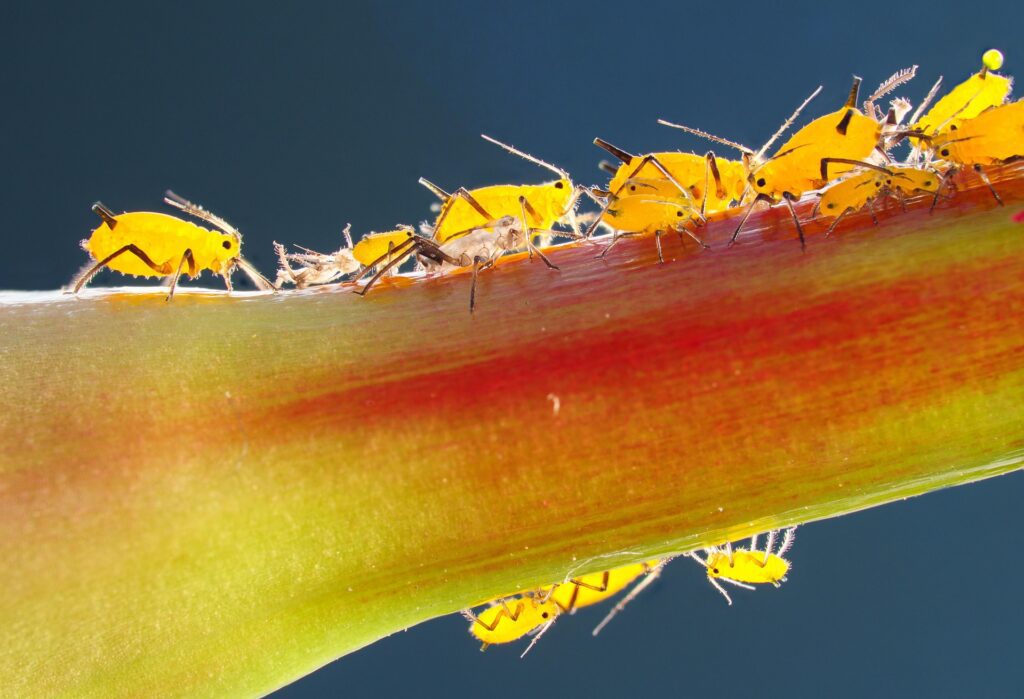
Aphids, tomato hornworms, squash bugs, Japanese beetles, and slugs rank among the most reported garden pests across the United States, according to extension service pest reports nationwide. Identification matters because treatment differs significantly; a fungicide will not touch an aphid infestation, and an insecticide will not cure a fungal disease.
How do I tell the difference between a plant disease and a pest problem?
Pest damage typically shows physical signs like chewed leaf edges, holes, visible insects, or sticky residue from sap-feeding insects. Disease symptoms usually appear as spots, wilting that spreads gradually, powdery coating, or discoloration that follows a pattern rather than random chewing. Inspecting the underside of leaves resolves most uncertain cases.
Are chemical pesticides safe to use in a home vegetable garden?
Chemical pesticides can be used safely in home gardens when label instructions are followed exactly, including pre-harvest intervals that specify how many days must pass between application and eating the produce. Organic gardening tips generally favor least-toxic options first, such as insecticidal soap or neem oil, reserving stronger chemical controls for severe infestations that cultural methods have failed to control.
Why did my seeds not germinate?
Seeds commonly fail to germinate due to old or improperly stored seed, planting too deep, inconsistent moisture during the germination window, or soil temperatures outside the ideal range for that species. Checking the seed packet’s specific depth and temperature requirements before planting prevents most germination failures.
What is the biggest mistake new gardeners make with fertilizer?
The biggest fertilizer mistake is applying too much, too often, out of a belief that more nutrients always means more growth. Over-fertilizing burns roots, causes excessive leafy growth at the expense of flowers or fruit, and can contribute to nutrient runoff that affects local waterways. Following label rates and soil test results prevents this entirely.
8. Quick-Answer FAQ Recap
How much does it cost to start a small home garden? A basic first-season garden with containers or a small raised bed, soil, and seeds typically costs between $100 and $250, depending on materials chosen.
What month should I plant a vegetable garden? Most U.S. gardeners plant warm-season vegetables in April or May, after their local last frost date, and cool-season crops three to four weeks earlier.
Do I need a greenhouse to garden successfully? No. A greenhouse extends the growing season and protects tender plants, but the majority of American home gardens are grown successfully without one.
What is the number one rule of gardening for beginners? Match the plant to the site, not the site to the plant. Sunlight, soil, and space determine what will thrive far more than enthusiasm alone.
How do I make my garden more eco-friendly? Composting kitchen scraps, choosing native plants, reducing synthetic pesticide use, and installing a rain barrel are the highest-impact steps toward organic gardening tips that also reduce a garden’s environmental footprint.
Can gardening actually improve mental health? Multiple industry surveys, including the National Gardening Association’s ongoing research, consistently find that stress relief and mental wellbeing rank among the top reasons Americans report for taking up gardening.
What is the easiest herb to grow indoors? Basil, mint, and chives are widely considered the easiest herbs for indoor growing, tolerating average home humidity and moderate light better than most other culinary herbs.
How long do garden vegetables keep producing? Continuous harvest crops like zucchini, cucumbers, and cut-and-come-again lettuce can produce for 8 to 12 weeks, while one-time harvest crops like carrots and garlic yield a single crop per planting.
Should I remove weeds by hand or use herbicide? Hand-pulling is safest for vegetable gardens and small beds, especially before weeds set seed. Herbicide is generally reserved for larger areas like lawns, where hand removal is impractical.
What is the fastest-growing vegetable for impatient beginners? Radishes are the fastest-growing common vegetable, often ready to harvest in just 21 to 28 days from seed, making them a favorite confidence-building first crop.
Conclusion
Gardening rewards curiosity more than experience, and the top gardening FAQs covered in this guide are the same questions every successful gardener once had to ask. Start with sunlight and soil, water based on what your finger tells you rather than a rigid calendar, choose beginner-friendly vegetables and flowers first, and treat pest and disease problems as solvable puzzles rather than reasons to quit. Whether you are working with a single container on an apartment balcony or a full backyard raised bed system, the fundamentals covered here apply at any scale. Keep this guide bookmarked as a reference through your first full growing season, and revisit the sections on soil and watering whenever a plant looks off, since those two factors resolve the majority of garden problems.